

Interest Rate Rises In South Africa, Experts Evaluate Possibility Of Recession
The financial toll of the ongoing global energy crisis is becoming increasingly apparent for Africa’s biggest economy. On Thursday, the South African Reserve Bank (SARB) announced its decision to increase the interest rate by 25 basis points to 7%, a week after year-on-year head inflation hiked to 4%, up from 3.1% in March. Offering some …
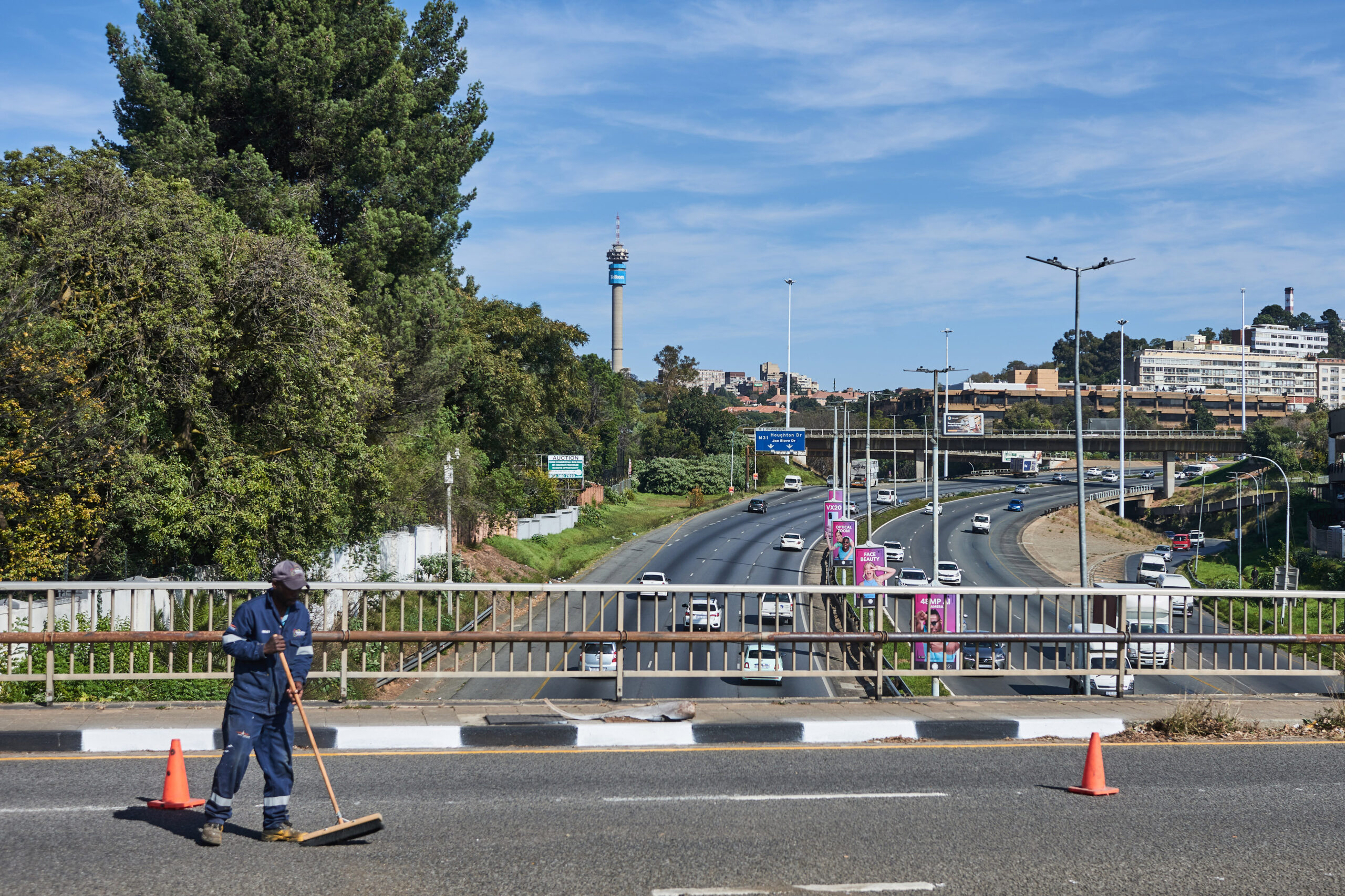
The financial toll of the ongoing global energy crisis is becoming increasingly apparent for Africa’s biggest economy.
On Thursday, the South African Reserve Bank (SARB) announced its decision to increase the interest rate by 25 basis points to 7%, a week after year-on-year head inflation hiked to 4%, up from 3.1% in March.
Offering some optimism to the sour scenario, Richard Gaskin, Market Analyst at FP Markets, reminds FORBES AFRICA that while SARB’s decision will likely “keep interest rates higher for longer, they’re in line with the general global trend”.
Meanwhile, Lesetja Kganyago, SARB Governor, revealed their expectations of headline inflation peaking at 4.4% for 2026, before subsiding to 3.7% in 2027, and eventually returning to the 3% target in 2028.
He admitted that a 50-basis-point increase was on the table, and that any further adjustments would be decided on a “meeting-to-meeting basis…the challenge of large and overlapping shocks would likely trigger second-round effects, requiring a monetary policy response.”
Jee-A van der Linde, Senior Economist at Oxford Economics Africa, expects “rate hikes to be undone from the second quarter of the next year,” but believes the risk of economic contraction to be “elevated”.
“If this fuel price environment persists heading into the second half of the year, then a recession might be on the cards,” he adds to FORBES AFRICA, while Gaskin believes there to be no threat at this point in time.
That could easily change with conflict in the Middle East, effectively halting some 20% of the world’s oil supply due to the closure of the Strait of Hormuz, triggering unprecedented consequences. The price per barrel hovers at around $100, nearly $30 higher than pre-war levels.
South Africa’s net-oil-importing nature has made it especially susceptible to rising costs, as fuel prices rose by 11.4% in April, one of the nation’s largest jumps on record. Meanwhile, services inflation reached 4.6%, exceeding the central bank’s target of 3%.
Having both welcomed an S&P’s credit rating upgrade and been removed from the grey list late last year, the future appeared bright for the southern African nation. But for reasons beyond their control, they now find themselves navigating intense economic uncertainty.
“We’ve already had one global inflation this decade, and we may well be starting another,” Kganyago warned.
The Daily Brief
Get the daily FORBES.NG briefing.
Comments (0)
Sign in to join the conversation.
Related Stories

Jesse Moore and M-KOPA’s Pay-As-You-Go Approach to Essential Services
M-KOPA’s pay-as-you-go model has connected consumer financing with access to products such as solar energy and smartphones, illustrating a distinct route to serving underbanked customers.

Benjamin Fernandes and NALA’s Cross-Border Fintech Ambition
Tanzanian founder Benjamin Fernandes built NALA around digital payments and international money movement, reflecting the opportunity and regulatory complexity of cross-border fintech.

Grant Brooke and Twiga Foods’ Effort to Modernise Food Distribution
Twiga Foods co-founder Grant Brooke helped build a technology-enabled food distribution business in Kenya, bringing attention to the inefficiencies between producers, vendors and consumers.
More from Freddie Hiney
Zambia Prepares For El Niño After Previous Droughts Triggered Blackouts
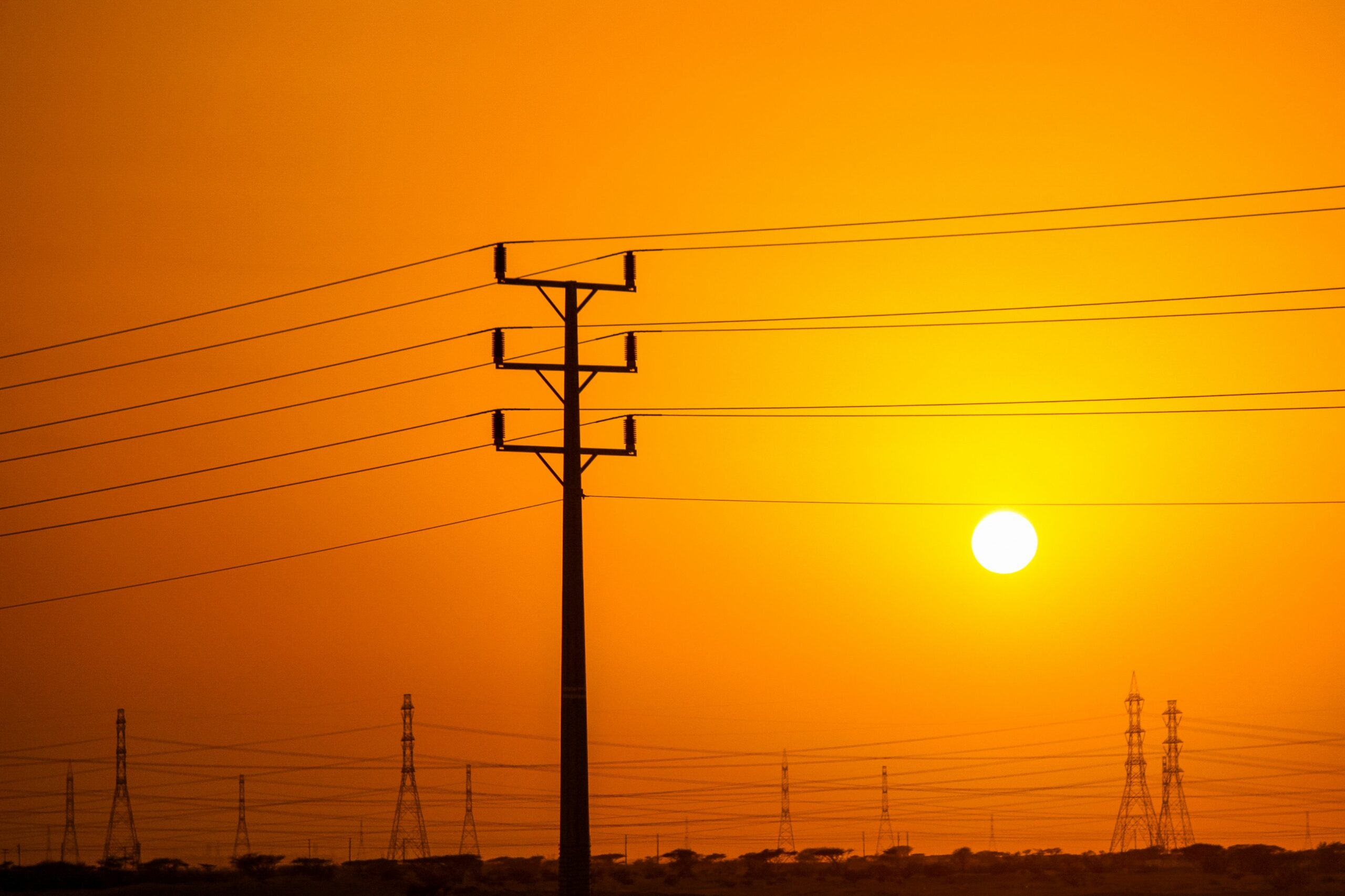
The drought over two years ago had catastrophic consequences for Zambia’s energy security–a nation largely dependent on hydropower, generating over 80% of its electricity, according to government figures. As rivers dried up, the number of blackouts rose. The arriving El Niño—widely expected to become one of the strongest on record and anticipated to grapple the …

‘Thinking Five Years Ahead’: Ethiopia’s $50 Million Bet To Become Billion-Dollar Regional Gold And Metals Hub
Inaugurated on October 10, Ethiopia’s National Precious Metals Refinery coincides with gold’s rising importance for the nation of nearly 140 million people. According to the National Bank of Ethiopia, gold exports rose from $133.6 million in the fourth quarter (Q4) of 2023/24 to $1.29 billion in Q4 2024/25. Welcomed as Ethiopia’s first gold refinery, and …
Tanzania Eyes Financial Hub Status, But Can It Overcome Hurdles?
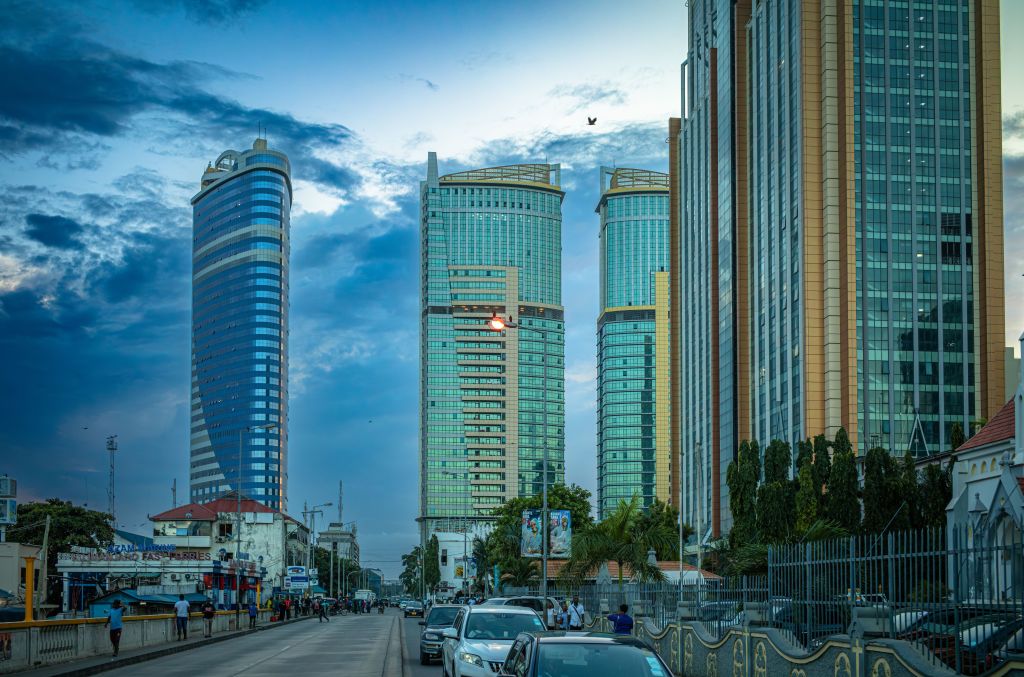
According to International Monetary Fund (IMF) data, Tanzania is projected to become a $100 billion economy by 2027, nearly double what it was 10 years ago. It’s progression that comes at a time of momentum. The East African nation is expected to grow by 5.9% this year, followed by 6.1% the following year, and 6.3% …
Recommended


The Daily Brief