

Tanzania Eyes Financial Hub Status, But Can It Overcome Hurdles?
According to International Monetary Fund (IMF) data, Tanzania is projected to become a $100 billion economy by 2027, nearly double what it was 10 years ago. It’s progression that comes at a time of momentum. The East African nation is expected to grow by 5.9% this year, followed by 6.1% the following year, and 6.3% …
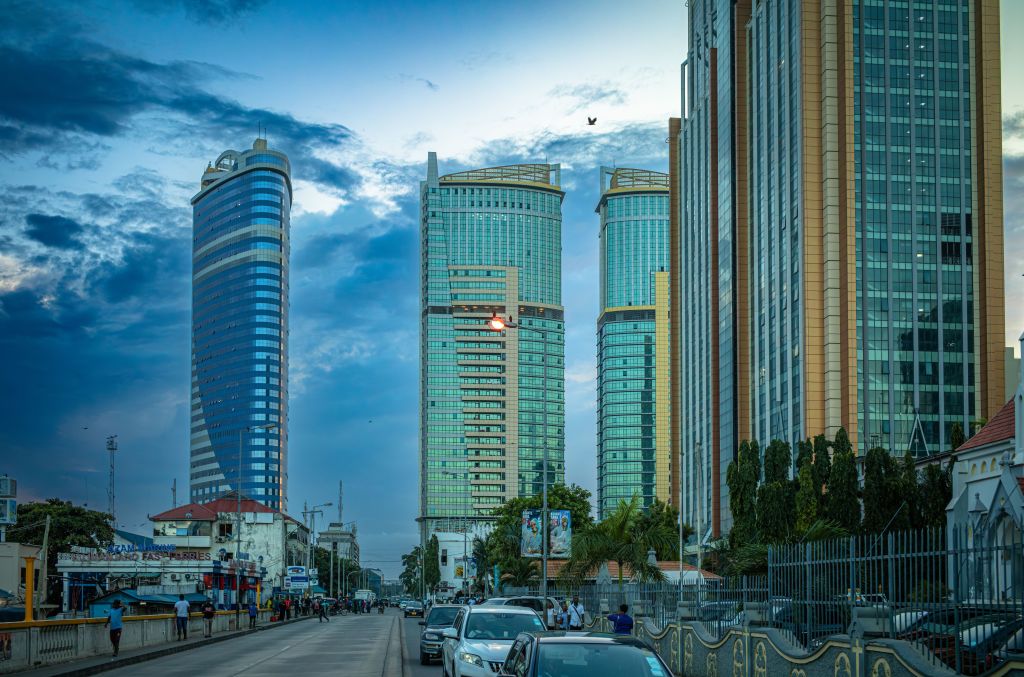
According to International Monetary Fund (IMF) data, Tanzania is projected to become a $100 billion economy by 2027, nearly double what it was 10 years ago. It’s progression that comes at a time of momentum. The East African nation is expected to grow by 5.9% this year, followed by 6.1% the following year, and 6.3% in 2028.
Amid these strong growth prospects, the Tanzanian government is actively seeking to attract foreign investment, through setting up its own International Financial Center (IFC), in Dar es Salaam.
Announced in early June during the 38th Executive Committee meeting of the Tanzania National Business Council, the motives “appear to be centered on positioning the country as a regional financial hub capable of attracting international capital and financial institutions,” says Amran Bhuzohera, an economist and investment consultant at Tanzania Investment and Consultant Group Ltd (TICGL).
Dissecting Tanzania’s shallow markets, Bhuzohera reminds FORBES AFRICA that government securities “account for more than 85% of the bond market”.
While a detailed implementation plan is yet to materialize, the next step will likely be a regulatory framework, finalizing governance structures and incentive mechanisms.
In the case of the IFC, which requires alignment between stakeholders, policies, and institutional readiness, Bhuzohera believes it could “take some time before becoming fully operational”.
The IFC’s impact could be monumental in strengthening ties between Tanzania and the international financing community, but Fergus Kell, Research Fellow at Chatham House’s Africa Program, questions “how it will avoid the duplication of mandates with existing institutions such as the Tanzania Investment Center”.
So, while “Tanzania is searching for new initiatives that can reenergize investor interest after a prolonged period of political instability,” Kell adds, doubts remain about the country’s capacity for rapid implementation.
Announcements are easy; it’s the execution that alters the future. That being said, the IFC marks a step in the right direction, potentially transforming Tanzania into one of the region’s most attractive bets.
The Daily Brief
Get the daily FORBES.NG briefing.
Comments (0)
Sign in to join the conversation.
Related Stories

Businesses Are Investing in AI but Struggling to Measure Its Returns
Turning AI pilots into measurable business value requires clear objectives, reliable baselines and disciplined oversight.

Why Businesses Need More Than AI Tools to Compete
Technology alone does not guarantee business results; strategy, staff capability, trustworthy data and measurable goals shape the value of AI.

AI Agents Could Transform Digital Payments, but Trust Remains Essential
Automated tools may streamline payment journeys, but security, consumer consent and clear accountability will shape adoption.
More from Freddie Hiney
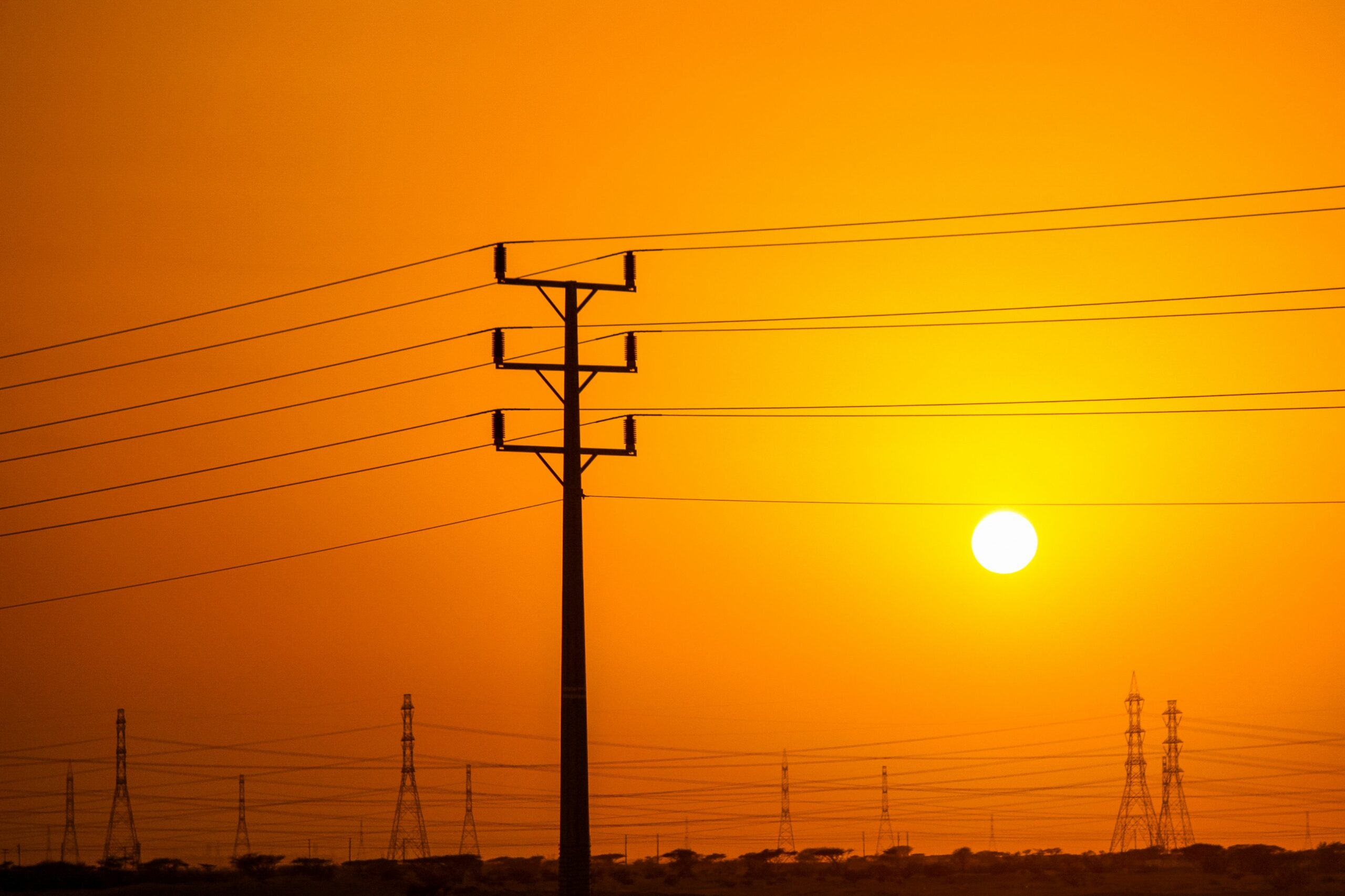
Zambia Prepares For El Niño After Previous Droughts Triggered Blackouts
The drought over two years ago had catastrophic consequences for Zambia’s energy security–a nation largely dependent on hydropower, generating over 80% of its electricity, according to government figures. As rivers dried up, the number of blackouts rose. The arriving El Niño—widely expected to become one of the strongest on record and anticipated to grapple the …

‘Thinking Five Years Ahead’: Ethiopia’s $50 Million Bet To Become Billion-Dollar Regional Gold And Metals Hub
Inaugurated on October 10, Ethiopia’s National Precious Metals Refinery coincides with gold’s rising importance for the nation of nearly 140 million people. According to the National Bank of Ethiopia, gold exports rose from $133.6 million in the fourth quarter (Q4) of 2023/24 to $1.29 billion in Q4 2024/25. Welcomed as Ethiopia’s first gold refinery, and …
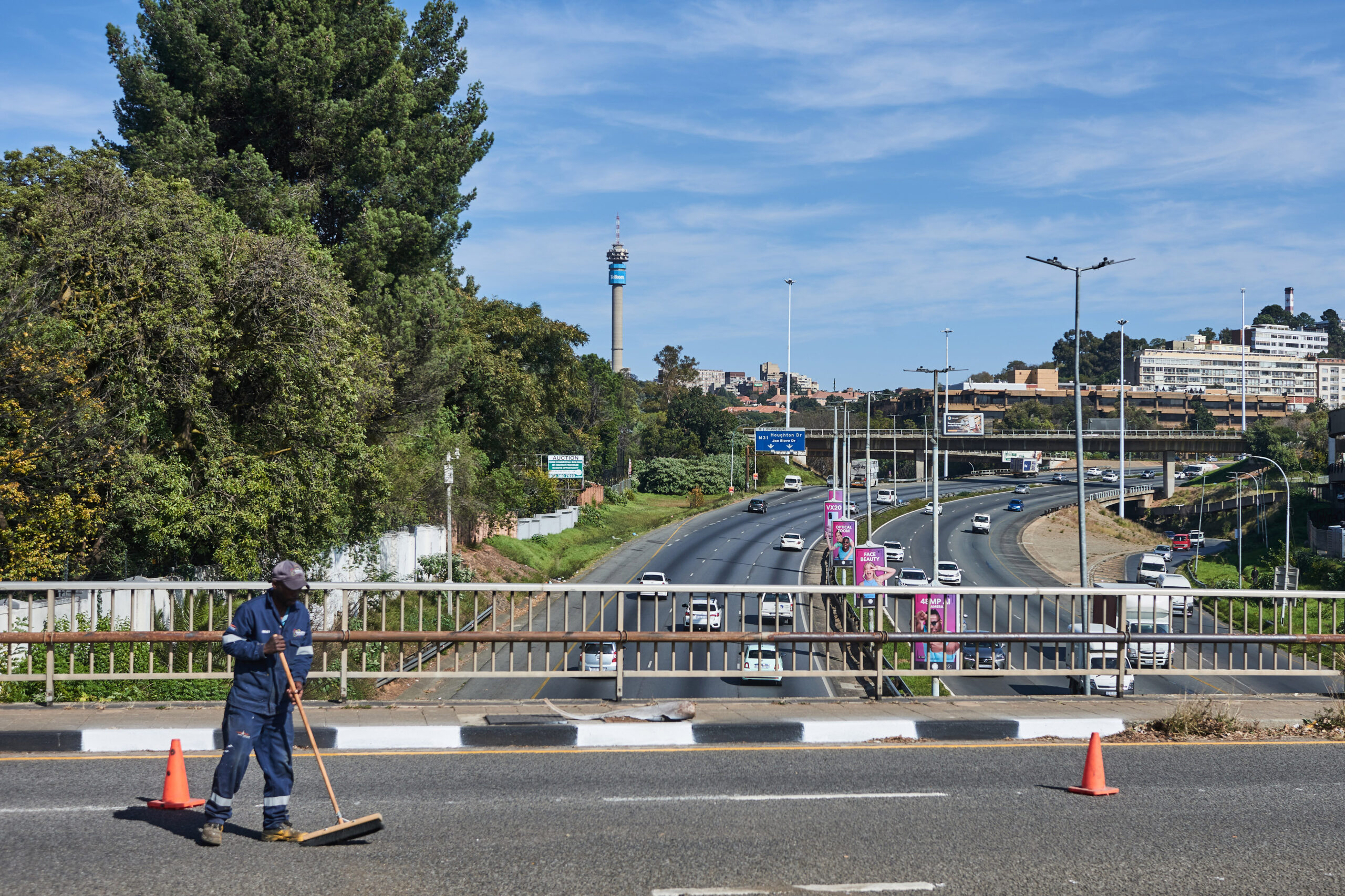
Interest Rate Rises In South Africa, Experts Evaluate Possibility Of Recession
The financial toll of the ongoing global energy crisis is becoming increasingly apparent for Africa’s biggest economy. On Thursday, the South African Reserve Bank (SARB) announced its decision to increase the interest rate by 25 basis points to 7%, a week after year-on-year head inflation hiked to 4%, up from 3.1% in March. Offering some …
Recommended


The Daily Brief