

‘Thinking Five Years Ahead’: Ethiopia’s $50 Million Bet To Become Billion-Dollar Regional Gold And Metals Hub
Inaugurated on October 10, Ethiopia’s National Precious Metals Refinery coincides with gold’s rising importance for the nation of nearly 140 million people. According to the National Bank of Ethiopia, gold exports rose from $133.6 million in the fourth quarter (Q4) of 2023/24 to $1.29 billion in Q4 2024/25. Welcomed as Ethiopia’s first gold refinery, and …

Inaugurated on October 10, Ethiopia’s National Precious Metals Refinery coincides with gold’s rising importance for the nation of nearly 140 million people.
According to the National Bank of Ethiopia, gold exports rose from $133.6 million in the fourth quarter (Q4) of 2023/24 to $1.29 billion in Q4 2024/25.
Welcomed as Ethiopia’s first gold refinery, and also able to cast silver and test precious metals, the $50 million project is a joint venture between state-owned Ethiopian Investment Holdings and Dubai-based Sam Precious Metal.
Regarding production goals, 600 tons of gold per annum is the target, forecast to generate, at around the current price, $80 billion.
Domestic mining won’t meet these targets alone, and this predicament is supposedly why Prime Minister Abiy Ahmed Ali is keen on opening its doors to neighboring countries. The added incentive for the refinery is its location within the Bole Lemi Special Economic Zone, boasting one of Africa’s busiest and best-connected hubs, Addis Ababa Bole International Airport, on its doorstep.
“It enables neighbouring countries and regional mining companies to bring their gold to Ethiopia for advanced refining, certification, value addition, and sale, eliminating the need to export it outside the continent,” Abiy Ahmed wrote on X.
Speaking on the regional gap Ethiopia is hoping to fill, Keith Nare, Director at the Africa Gold Council, explains to FORBES AFRICA on the sidelines of Africa Mining Week in Cape Town why the refinery is arriving at an opportune time.
“The sovereign wealth fund is seeing the movement of gold traded from neighboring countries… Uganda doesn’t have industrial gold production or massive artisan gold production, but if you look at their gold numbers, it’s very high,” Nare points out, before adding Sudan and Kenya to the list of probable customers.
He believes the refinery comes at a moment of strategic foresight from the central bank.
“They see the projections of where gold is going, and they’re thinking five years ahead. If domestic production increases, this is how Ethiopia can collect and refine it to retain in-house value.”
The Daily Brief
Get the daily FORBES.NG briefing.
Comments (0)
Sign in to join the conversation.
Related Stories

Businesses Are Investing in AI but Struggling to Measure Its Returns
Turning AI pilots into measurable business value requires clear objectives, reliable baselines and disciplined oversight.

Why Businesses Need More Than AI Tools to Compete
Technology alone does not guarantee business results; strategy, staff capability, trustworthy data and measurable goals shape the value of AI.

AI Agents Could Transform Digital Payments, but Trust Remains Essential
Automated tools may streamline payment journeys, but security, consumer consent and clear accountability will shape adoption.
More from Freddie Hiney
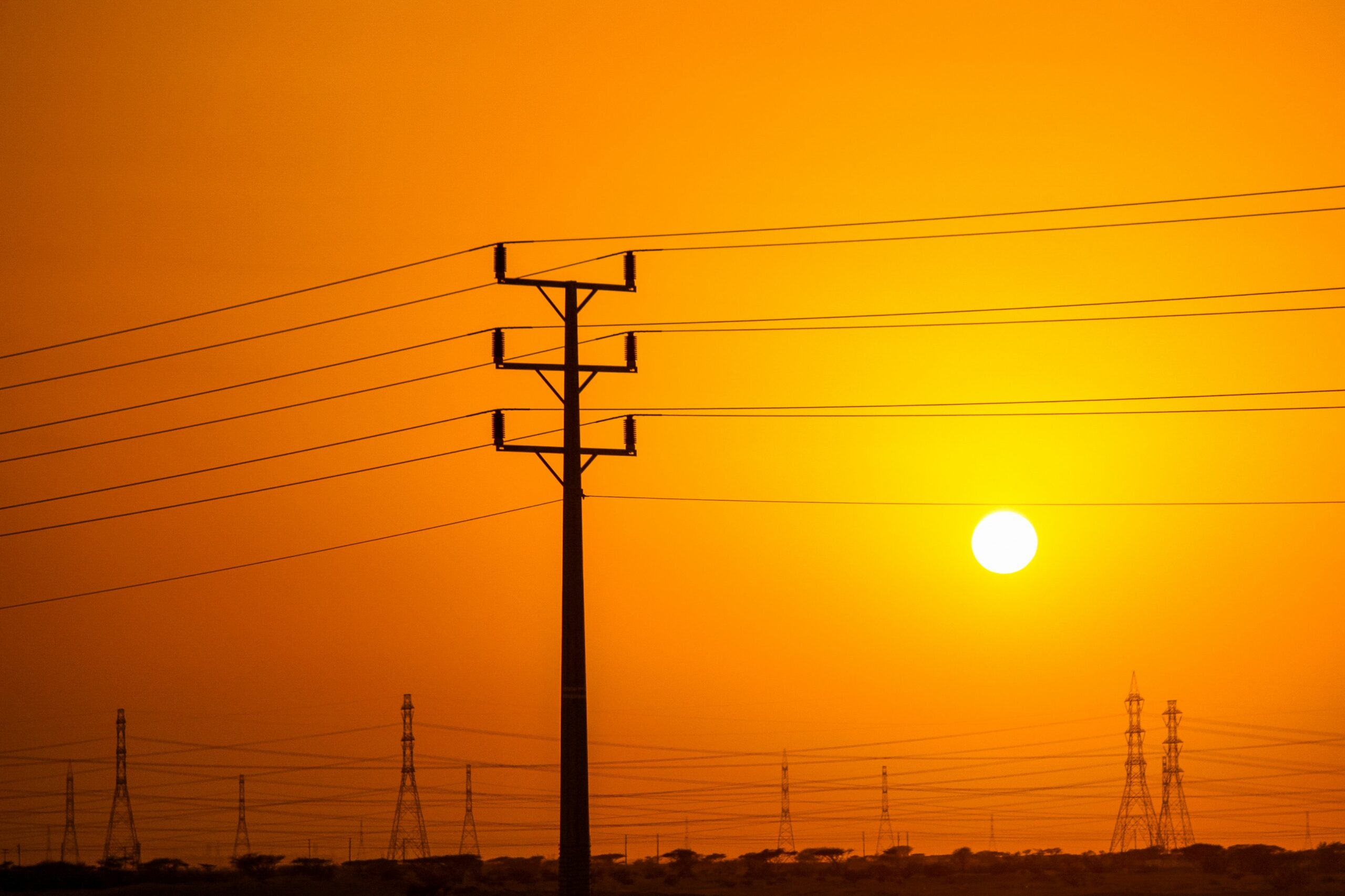
Zambia Prepares For El Niño After Previous Droughts Triggered Blackouts
The drought over two years ago had catastrophic consequences for Zambia’s energy security–a nation largely dependent on hydropower, generating over 80% of its electricity, according to government figures. As rivers dried up, the number of blackouts rose. The arriving El Niño—widely expected to become one of the strongest on record and anticipated to grapple the …
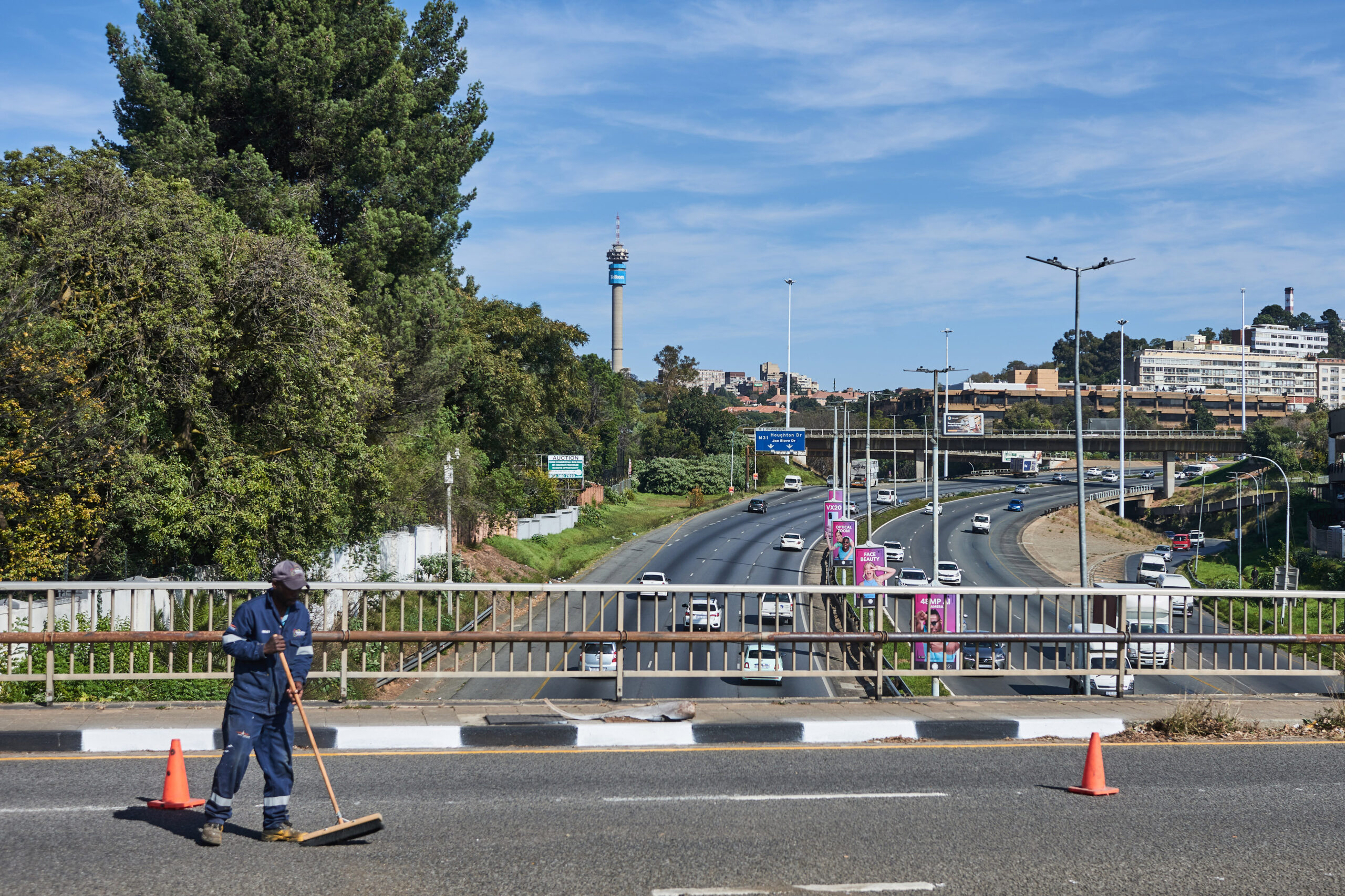
Interest Rate Rises In South Africa, Experts Evaluate Possibility Of Recession
The financial toll of the ongoing global energy crisis is becoming increasingly apparent for Africa’s biggest economy. On Thursday, the South African Reserve Bank (SARB) announced its decision to increase the interest rate by 25 basis points to 7%, a week after year-on-year head inflation hiked to 4%, up from 3.1% in March. Offering some …
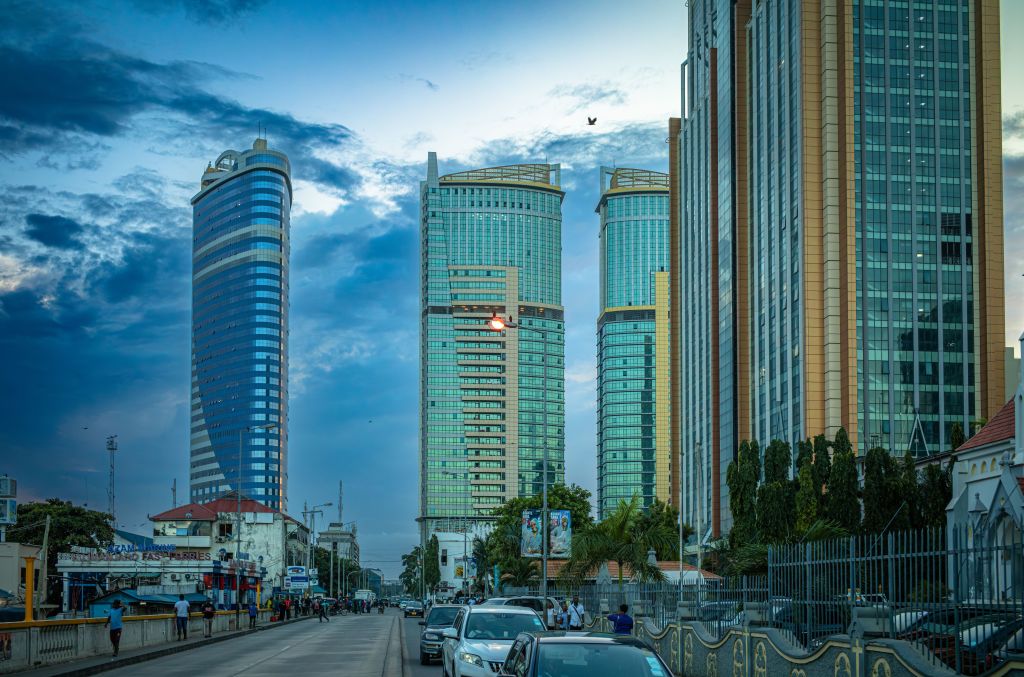
Tanzania Eyes Financial Hub Status, But Can It Overcome Hurdles?
According to International Monetary Fund (IMF) data, Tanzania is projected to become a $100 billion economy by 2027, nearly double what it was 10 years ago. It’s progression that comes at a time of momentum. The East African nation is expected to grow by 5.9% this year, followed by 6.1% the following year, and 6.3% …
Recommended


The Daily Brief