

A West African Fintech On What It Takes To Go From Cross-Border Payments Solution To Multi-Service Platform
Words and Curation: Oluwatomisin AmokeojaAdditional Reporting: Chanel Retief and Nicole PillayArt Director: Manelisi DabataPhotography: Kelechi Amadi-ObiPhotography Assistants: Chukwudi Ademu, Vincent Okoro, Kingsley Ugwukozor, Musa Alabi, Jesutofunmi Amokeoja, Anthony Ibuzo Stylist: Isaac Isiadinso (Kookavelli) Stylist’s Assistant: Timilehin Oshinbanjo Outfits: VREEMD, RAEY, Soft aiv couture and Berluti Makeup & Hair: Oluwatoyin Eko Studio: 12 Temple, Lagos, Nigeria “From the very …


Words and Curation: Oluwatomisin Amokeoja
Additional Reporting: Chanel Retief and Nicole Pillay
Art Director: Manelisi Dabata
Photography: Kelechi Amadi-Obi
Photography Assistants: Chukwudi Ademu, Vincent Okoro, Kingsley Ugwukozor, Musa Alabi, Jesutofunmi Amokeoja, Anthony Ibuzo
Stylist: Isaac Isiadinso (Kookavelli) Stylist’s Assistant: Timilehin Oshinbanjo
Outfits: VREEMD, RAEY, Soft aiv couture and Berluti
Makeup & Hair: Oluwatoyin Eko
Studio: 12 Temple, Lagos, Nigeria
“From the very beginning, we adopted very sound corporate governance in our structure and how we scale.”
Ifelade Ayodele, the Founder and CEO of Blaaiz, moves with a calm that contrasts the energy at the photoshoot he is at for this magazine.
His voice, however—measured, firm, and deeply intentional—has been guiding Blaaiz through the noisy terrain of West Africa’s fintech landscape since its founding in 2023. The company has carved a reputation for methodical growth, hinting at a longer game.
“From the very beginning, we adopted very sound corporate governance in our structure and how we scale,” Ayodele says. “We’re one of the few fintechs in the region that has one of the Big Four auditing us. That’s deliberate. Transparency and accountability matter.”
Founded as a “dependable financial partner” for Africans at home and in the diaspora, Blaaiz started as a cross-border payments solution and has since grown into a multi-service platform—supporting trade, remittances, welfare transfers, and mobility financing.
“We want to be there for people wherever their next opportunity takes them,” Ayodele adds. “Whether you’re moving for work or sending money back home, we want to simplify that journey.”
Blaaiz’s ambitions are tightly intertwined with the continent’s demographic and economic future.
Emerging markets like Nigeria, Ayodele notes, are expected to drive a significant portion of global growth by 2035.
“By 2050, one out of every three people on Earth will be from an emerging market, especially Africa,” he says.
“With that growth comes the need for mobility, for trade, for cross-border solutions. We’re positioning ourselves to support those transitions.”
That positioning includes Blaaiz’s participation in PAPSS, an initiative of Afreximbank aimed at simplifying payments across the continent. It has also partnered with global multinationals to expand access and interoperability.
“These springboards help us stay ahead,” Ayodele says, “but they also allow us to build services that are fit for our ecosystem. They help us compete fairly, and more importantly, sustainably.”
The company is also embracing AI, with use cases focused on fraud detection, risk exposure, and customer interaction.
“We’re probably one of the most pro-AI companies in the space,” Ayodele says, humbly. “Our customer experience team uses AI to respond more quickly, and we use real-time data for rate setting and operational efficiency. But it’s not just about speed—it’s about being better.”
Blaaiz’s commitment to slow, deliberate innovation makes it something of an outlier in Nigeria’s fast-moving fintech ecosystem. In a sector known for unicorn valuations, aggressive funding rounds, and relentless scaling, Ayodele’s brand of leadership offers a different narrative—one that prioritizes structure over hype, and long-term stability over overnight success.
The company has expanded to serve markets beyond Nigeria—supporting money transfers across the United States, United Kingdom, Europe, Canada, Tanzania, Kenya, and Uganda—and is eyeing new corridors where remittances and trade services are underserved.
His words may not have boomed across the studio, but they echoed with clarity. In a region where volume often equals visibility, Blaaiz is betting on substance to make its mark. And if Ayodele’s vision holds, the future of West African fintech may just belong to those who speak softly—and build wisely.
The Daily Brief
Get the daily FORBES.NG briefing.
Comments (0)
Sign in to join the conversation.
Related Stories

Jesse Moore and M-KOPA’s Pay-As-You-Go Approach to Essential Services
M-KOPA’s pay-as-you-go model has connected consumer financing with access to products such as solar energy and smartphones, illustrating a distinct route to serving underbanked customers.

Benjamin Fernandes and NALA’s Cross-Border Fintech Ambition
Tanzanian founder Benjamin Fernandes built NALA around digital payments and international money movement, reflecting the opportunity and regulatory complexity of cross-border fintech.

Grant Brooke and Twiga Foods’ Effort to Modernise Food Distribution
Twiga Foods co-founder Grant Brooke helped build a technology-enabled food distribution business in Kenya, bringing attention to the inefficiencies between producers, vendors and consumers.
More from FORBES.NG

CEOs Say Layoffs Are AI’s Fault—But Some Experts Think Companies Are Lying
Topline Businesses implementing artificial intelligence was blamed for more layoffs than any other reason for the second month in a row in April, new data shows but some experts have said they think technology companies, which use the excuse more than any other sector, are using AI as a smokescreen to hide larger internal struggles. …

Hantavirus Cruise Passengers Will Disembark Sunday (Latest Updates)
Topline Passengers on the hantavirus-stricken MV Hondius cruise ship will soon be evacuated in an operation that will be directly observed by the World Health Organization’s director-general, who said Saturday travelers will be taken to their respective countries as various governments differ on how they will receive and monitor their citizens. This story was first published on …
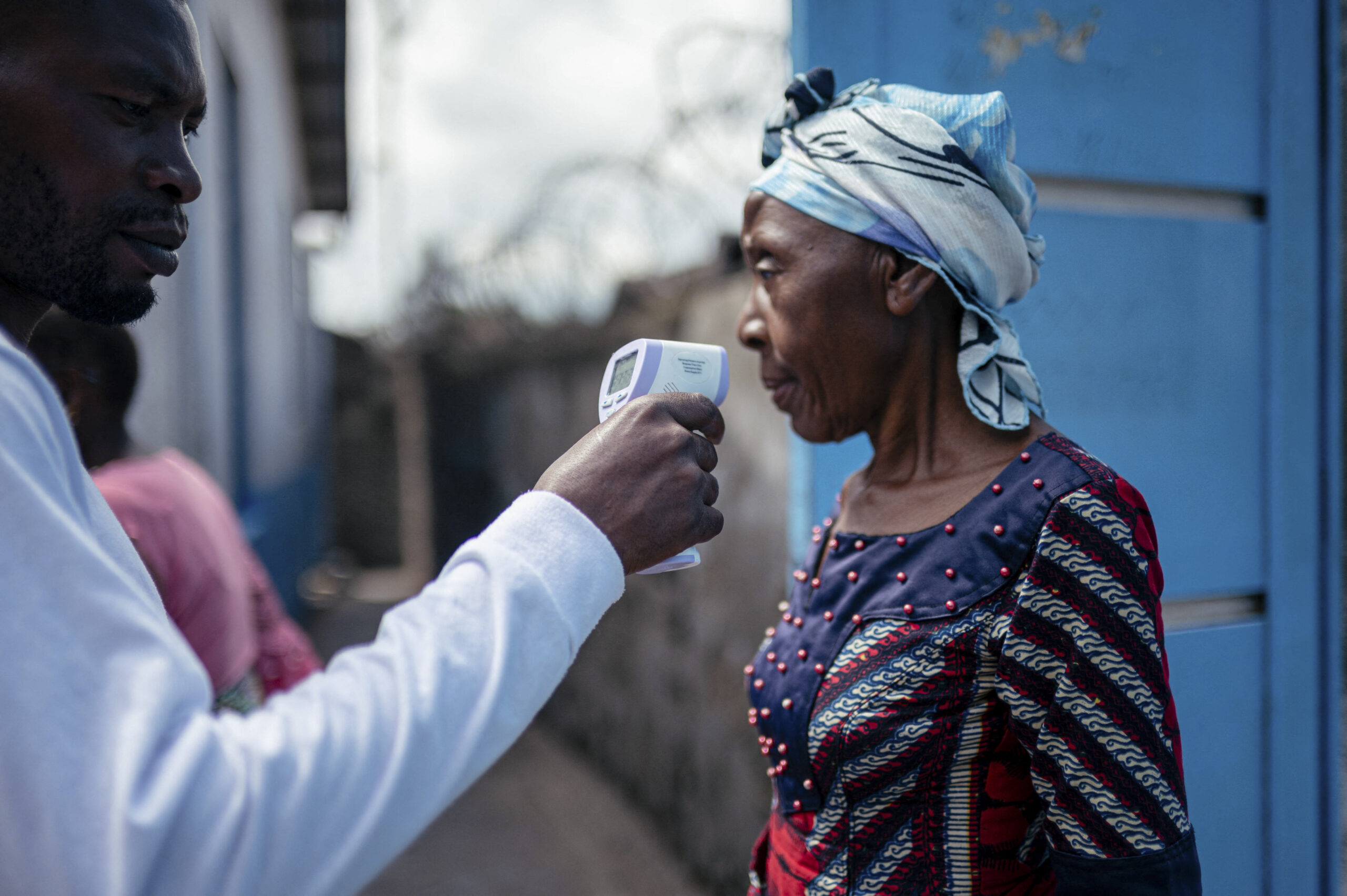
WHO Declares Ebola Outbreak In Africa ‘Extraordinary’ Public Health Emergency
Topline The World Health Organization declared the Ebola outbreak in the Democratic Republic of the Congo and Uganda a public health emergency of international concern late on Saturday night, after public health authorities identified 246 suspected cases and 80 suspected deaths from the disease in the Congo caused by a virus with no approved specific …
Recommended


The Daily Brief