

Where Purposeful Philanthropy And Passion Meet
“This is purely private philanthropy, which allows us to act swiftly and make direct investments in local communities.” The constant pursuit of uncharted territories has helped map mythical networks, document new species, and trace the origins of Africa’s mightiest rivers–and Dr Steve Boyes has had a direct impact on this. “We’ve been studying the highest …
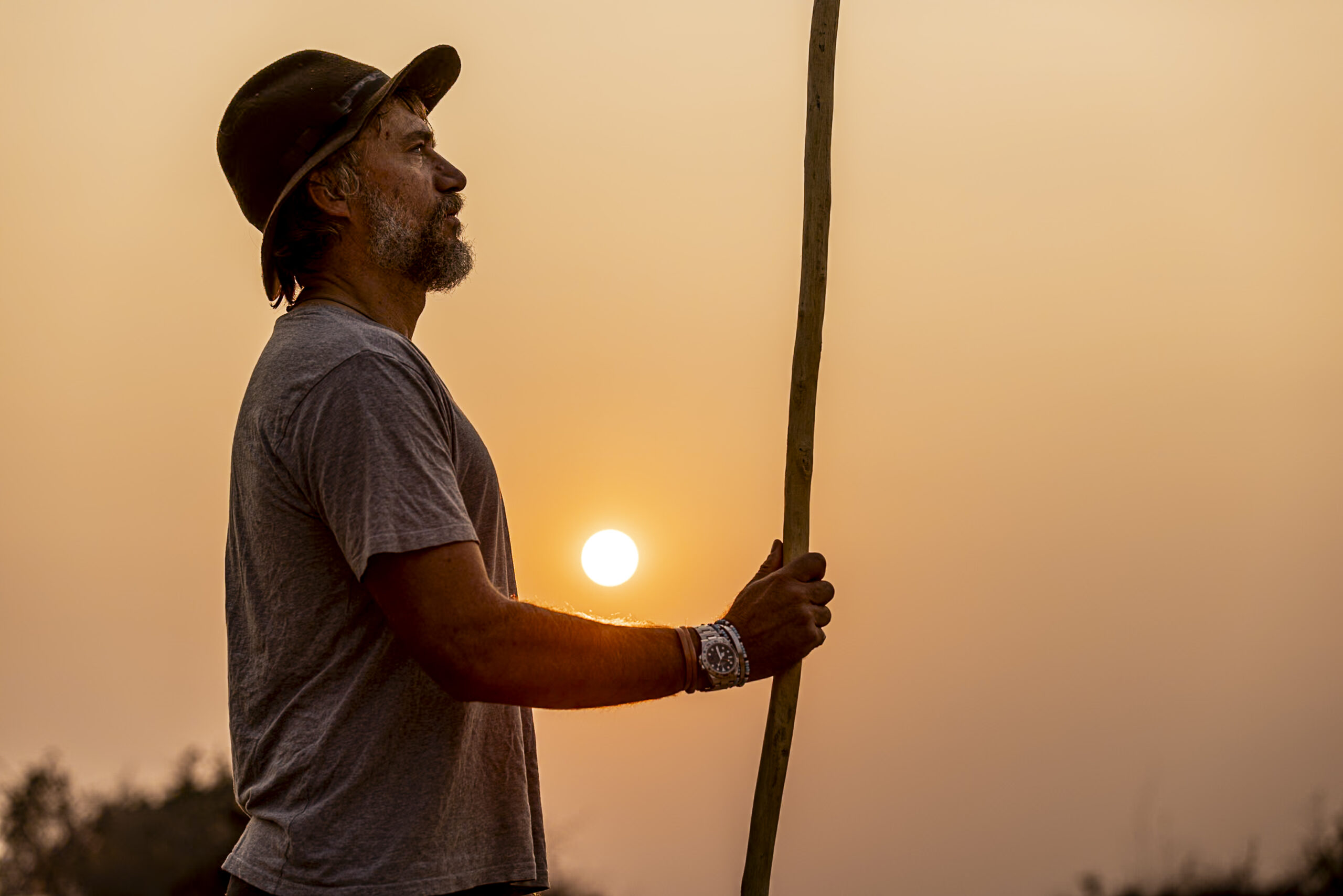
“This is purely private philanthropy, which allows us to act swiftly and make direct investments in local communities.”
The constant pursuit of uncharted territories has helped map mythical networks, document new species, and trace the origins of Africa’s mightiest rivers–and Dr Steve Boyes has had a direct impact on this.
“We’ve been studying the highest part of the Kalahari sand basin for the last decade, which is the Okavango’s source, and the true source of the Zambezi, the Cuando, the Congo, the Kwawnza , and the Kunene… the sources are visible from each other,” Boyes explains to FORBES AFRICA.
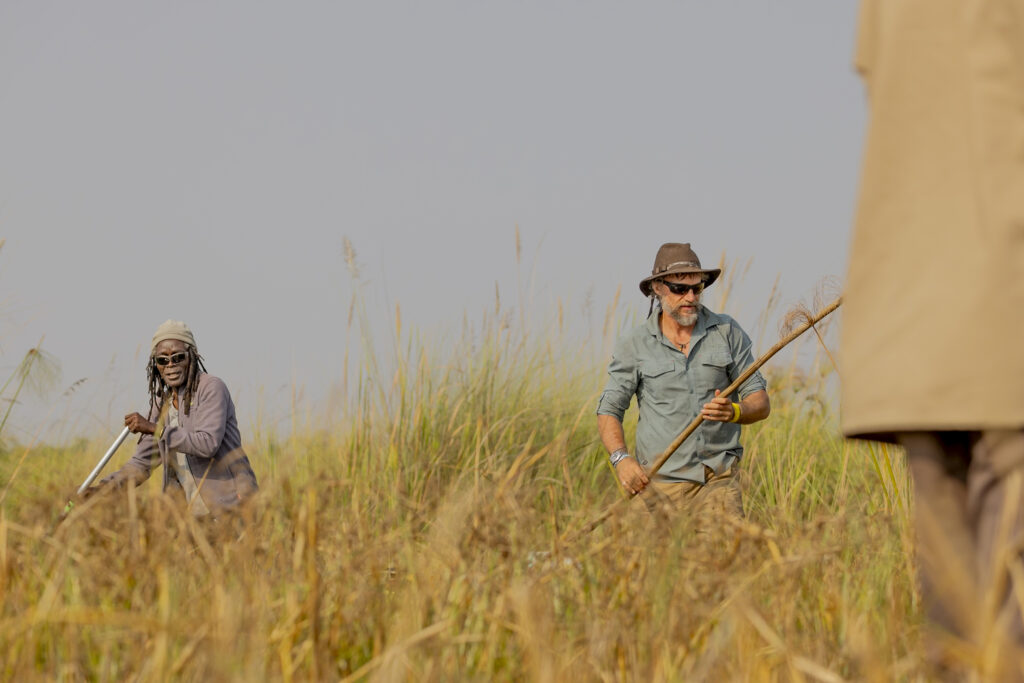
In 2009, the National Geographic explorer founded the Wild Bird Trust, within which the Cape Parrot Project—a still-active, large-scale reforestation and species conservation program in South Africa—was formed. Six years later, the National Geographic Okavango Wilderness Project (NGOWP) was established.
Stretching across Angola, Namibia and Botswana, the Okavango is home to a significant population of elephants and thousands of plants, animals, and birds. However, mounting threats, including plummeting fish populations, traces of inorganic compounds, and growth rates in all of the invasive species, have destabilized its delicate ecosystem.
Through months-long expeditions navigating rapids, crocodiles, and hippos on a traditional wooden boat (mokoro), the NGOWP has discovered 275 new species for science and 73 species newly described to academic science, while leveraging its data to establish the permanent protection of the greater Okavango Basin.
Partnerships with National Geographic, Rolex, and De Beers, via Okavango Eternal, have helped raise tens of millions of dollars.
“This is purely private philanthropy, which allows us to act swiftly and make direct investments in local communities,” Boyes says.
Reinforcing this point is the fact that an expedition he led became the first group in 42 years to interact with the Luchazi people, a remote community based around the upper Zambezi and Cuando River basins. They now work directly with the Luchazi king.
“Traditional leaders are our primary mechanism for protection and indigenous knowledge,” he adds.
Boyes’ quest is a story of love and respect between man and nature; and a willingness to enter the unknown for the greater good of the biomes, animals, and people that depend on it.
**This article was updated with additional information on November 24, 2025.
The Daily Brief
Get the daily FORBES.NG briefing.
Comments (0)
Sign in to join the conversation.
Related Stories

Businesses Are Investing in AI but Struggling to Measure Its Returns
Turning AI pilots into measurable business value requires clear objectives, reliable baselines and disciplined oversight.

Why Businesses Need More Than AI Tools to Compete
Technology alone does not guarantee business results; strategy, staff capability, trustworthy data and measurable goals shape the value of AI.

AI Agents Could Transform Digital Payments, but Trust Remains Essential
Automated tools may streamline payment journeys, but security, consumer consent and clear accountability will shape adoption.
More from Freddie Hiney
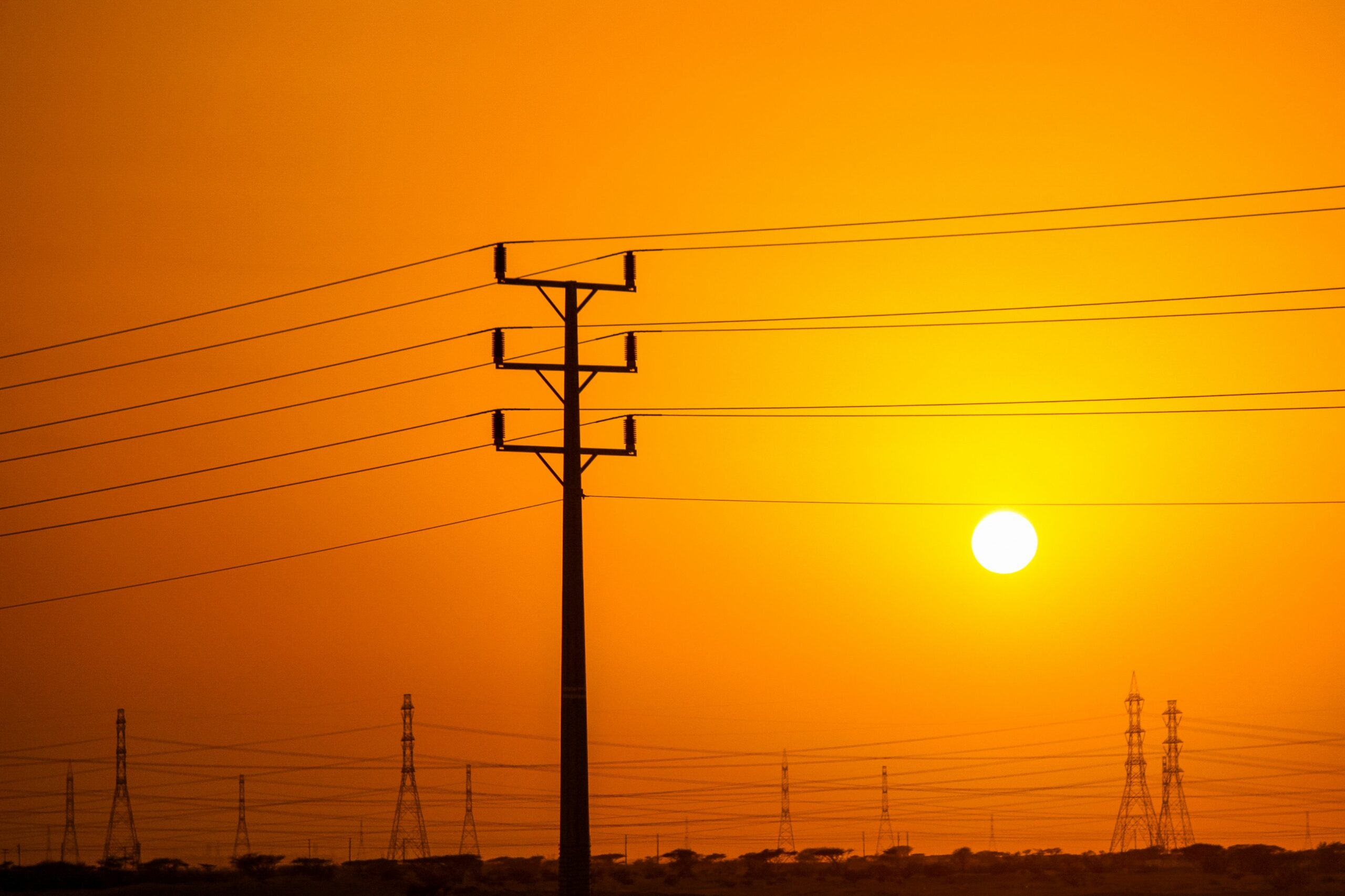
Zambia Prepares For El Niño After Previous Droughts Triggered Blackouts
The drought over two years ago had catastrophic consequences for Zambia’s energy security–a nation largely dependent on hydropower, generating over 80% of its electricity, according to government figures. As rivers dried up, the number of blackouts rose. The arriving El Niño—widely expected to become one of the strongest on record and anticipated to grapple the …

‘Thinking Five Years Ahead’: Ethiopia’s $50 Million Bet To Become Billion-Dollar Regional Gold And Metals Hub
Inaugurated on October 10, Ethiopia’s National Precious Metals Refinery coincides with gold’s rising importance for the nation of nearly 140 million people. According to the National Bank of Ethiopia, gold exports rose from $133.6 million in the fourth quarter (Q4) of 2023/24 to $1.29 billion in Q4 2024/25. Welcomed as Ethiopia’s first gold refinery, and …
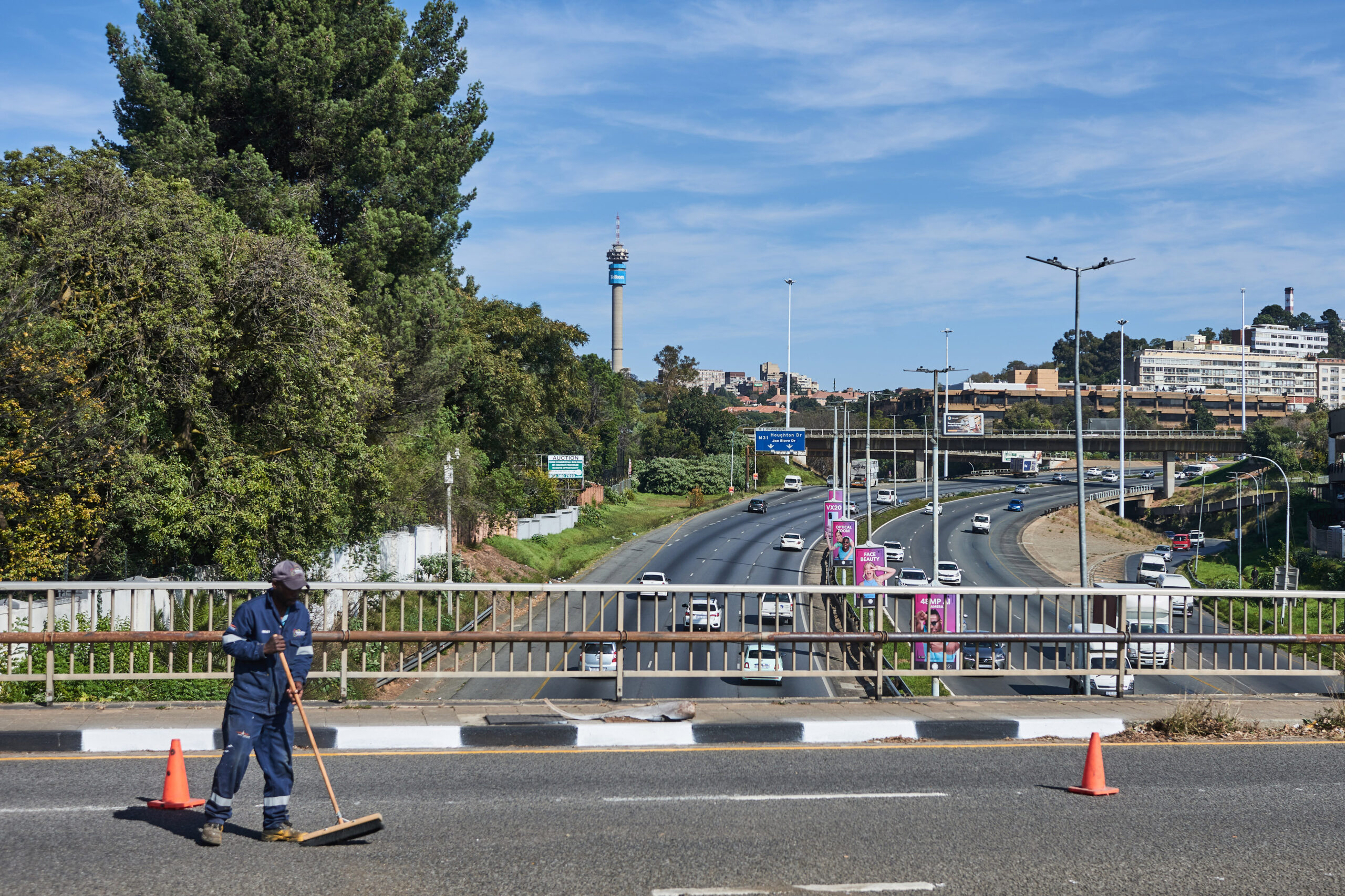
Interest Rate Rises In South Africa, Experts Evaluate Possibility Of Recession
The financial toll of the ongoing global energy crisis is becoming increasingly apparent for Africa’s biggest economy. On Thursday, the South African Reserve Bank (SARB) announced its decision to increase the interest rate by 25 basis points to 7%, a week after year-on-year head inflation hiked to 4%, up from 3.1% in March. Offering some …
Recommended


The Daily Brief