

‘Unlivable, Unchangeable’: Uganda’s Capital City Conundrum
The scarcity of opportunities in rural areas has directed Africa’s migratory patterns towards urbanization on a major scale. But while cities were designed for the masses, many weren’t built with a colossal population boom in mind. The continent is expected to reach roughly 2.5 billion by 2050, representing around a quarter of the world. …
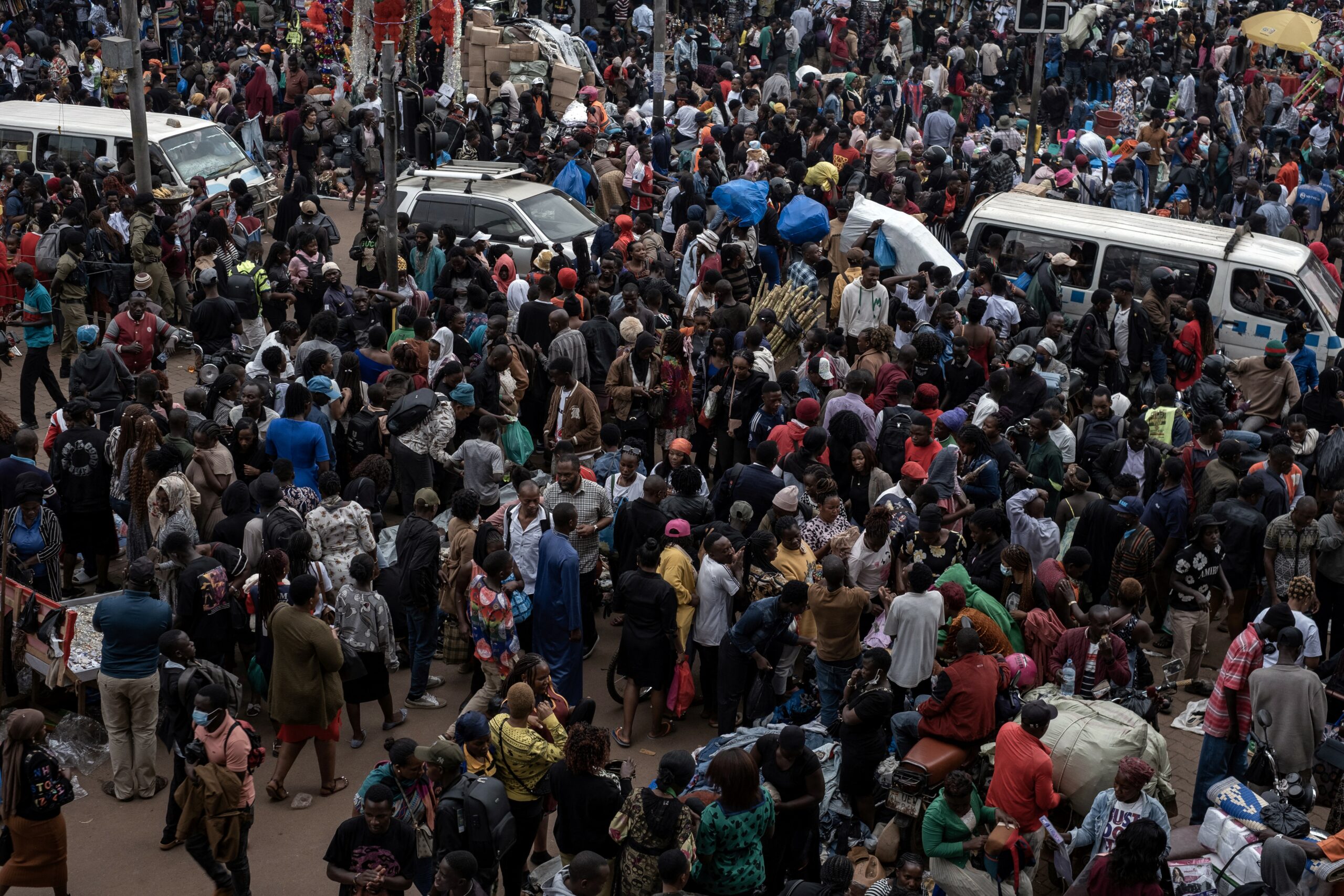
The scarcity of opportunities in rural areas has directed Africa’s migratory patterns towards urbanization on a major scale. But while cities were designed for the masses, many weren’t built with a colossal population boom in mind.
The continent is expected to reach roughly 2.5 billion by 2050, representing around a quarter of the world.
Greater Kampala is responsible for 60% of national GDP and home to 4.5 million people by day. Dr Kiggundu Amin Tamale, Department Head of Urban and Regional Planning at Kampala’s Makerere University, highlights to FORBES AFRICA that stop-start traffic is a daily ritual.
Having said this, in September 2025, a five-year, $3 billion plan was launched under the theme ‘Revitalizing Kampala into a Functional City’, perhaps suggesting it is no longer ‘functional’.
By 2030, the initiative aims to upgrade and reconstruct 325 kilometers (km) of roads, reduce average travel time from 4.2 minutes per km to 3 minutes, and, among other targets, construct 80km of drainage channels.
However, speaking, more recently, on the matter in parliament, Margeret Muhanga Mugisa, Minister of State for Lands, Housing and Urban Development, labeled the capital’s reality as “unlivable, unchangeable and untenable”, before recommending the district of Nakasongola as the solution.
This isn’t the first time Nakasongola has been touted as such. Ugandans have heard this for years from various politicians, who have long advocated for the area’s central location and the vastness of untapped land.
Kampala currently serves as the nation’s administrative and commercial hub.
“The supporters of Nakasongola want the administrative functions of Kampala to be shifted, but for it to remain as Uganda’s major commercial center,” Tamale confirms.
“It’s both a growth strategy and an escape from the existing intractable problems such as traffic jams, slum development, uncontrolled urban expansion, increased air pollution, poor urban governance, and poor waste management,” he adds.
A move of this magnitude would be onerous, but not an African first. Nigeria relocated its central government administrative functions from Lagos to Abuja while Tanzania’s government uprooted from Dar es Salaam to Dodoma.
Kampala’s Lord Mayor, Ronald Balimwezo, however, opposes claims that the current capital should be stripped of its administrative title, instead calling for greater investment to overcome its gridlocked state.
Another roadblock hindering Mugisa’s call for action is legislation. The Kampala Capital City Act, 2011, acknowledges Kampala as the central government’s administrative hub, meaning any hopes of change depends on a constitutional amendment.
It’s hard to gauge how seriously the country is entertaining the prospect of Nakasongola as a hub, but as Kampala continues operating, seemingly at breaking point, the concept of a fresh start surely becomes more attractive.
The Daily Brief
Get the daily FORBES.NG briefing.
Comments (0)
Sign in to join the conversation.
Related Stories

Businesses Are Investing in AI but Struggling to Measure Its Returns
Turning AI pilots into measurable business value requires clear objectives, reliable baselines and disciplined oversight.

Why Businesses Need More Than AI Tools to Compete
Technology alone does not guarantee business results; strategy, staff capability, trustworthy data and measurable goals shape the value of AI.

AI Agents Could Transform Digital Payments, but Trust Remains Essential
Automated tools may streamline payment journeys, but security, consumer consent and clear accountability will shape adoption.
More from Freddie Hiney
Zambia Prepares For El Niño After Previous Droughts Triggered Blackouts
The drought over two years ago had catastrophic consequences for Zambia’s energy security–a nation largely dependent on hydropower, generating over 80% of its electricity, according to government figures. As rivers dried up, the number of blackouts rose. The arriving El Niño—widely expected to become one of the strongest on record and anticipated to grapple the …

‘Thinking Five Years Ahead’: Ethiopia’s $50 Million Bet To Become Billion-Dollar Regional Gold And Metals Hub
Inaugurated on October 10, Ethiopia’s National Precious Metals Refinery coincides with gold’s rising importance for the nation of nearly 140 million people. According to the National Bank of Ethiopia, gold exports rose from $133.6 million in the fourth quarter (Q4) of 2023/24 to $1.29 billion in Q4 2024/25. Welcomed as Ethiopia’s first gold refinery, and …
Interest Rate Rises In South Africa, Experts Evaluate Possibility Of Recession
The financial toll of the ongoing global energy crisis is becoming increasingly apparent for Africa’s biggest economy. On Thursday, the South African Reserve Bank (SARB) announced its decision to increase the interest rate by 25 basis points to 7%, a week after year-on-year head inflation hiked to 4%, up from 3.1% in March. Offering some …
Recommended


The Daily Brief