

Special Report: What It Takes to Build Resilient African Supply Chains
A resilient supply chain combines diversified suppliers, better visibility, realistic inventory policies and contingency planning without losing sight of cost and customer needs.

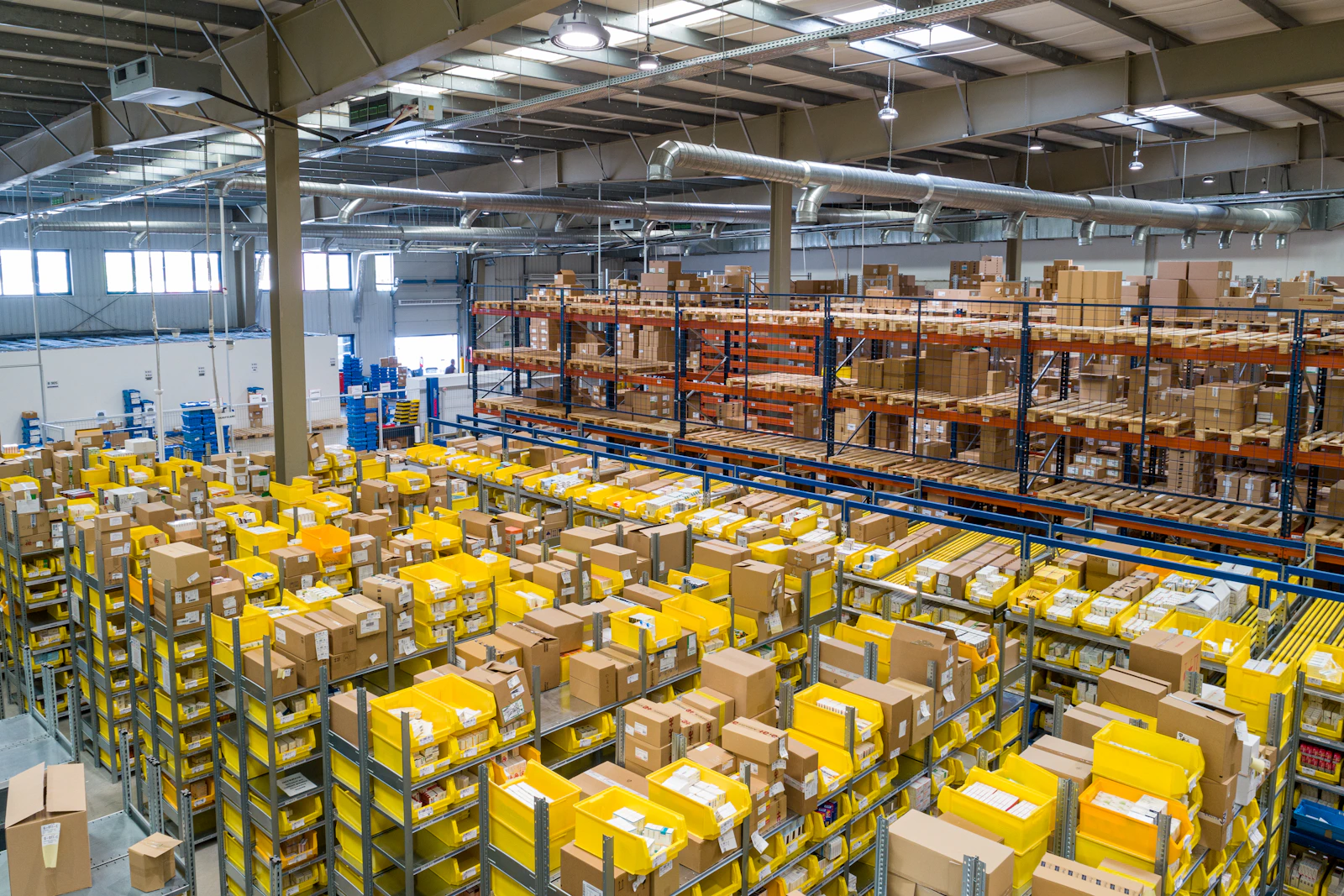
Special Report: What It Takes to Build Resilient African Supply Chains
Special Report
Supply chains are often designed for efficiency under normal conditions. But disruptions—from transport delays and input shortages to currency movements and extreme weather—can quickly expose hidden weaknesses. For African companies operating across varied infrastructure and regulatory environments, resilience is not simply about holding more stock. It is about understanding dependencies and having credible alternatives when conditions change.
Map Critical Dependencies
Companies should identify which materials, services and routes are essential to operations, including suppliers several tiers upstream. A low-cost component can become a major risk if it has a single source or a long replacement lead time. Mapping dependencies helps managers focus attention on the points where disruption would cause the greatest harm.
Diversify Strategically
Multiple suppliers can reduce dependence on one source, but diversification has costs. New suppliers require qualification, quality checks and clear contractual arrangements. Local sourcing may shorten lead times in some cases, while imports may remain necessary for specialised inputs. Decisions should reflect quality, total cost, reliability and the availability of genuine alternatives.
Improve Visibility and Forecasting
Accurate information about inventory, shipment status, demand and supplier performance allows teams to respond earlier. Even a simple shared dashboard can help if the underlying data is reliable and someone is responsible for acting on it. Forecasts should include scenarios rather than a single expected outcome.
Set Inventory Policies Deliberately
Extra inventory can protect against delays, but it ties up cash and creates storage, damage and obsolescence risks. Companies should distinguish critical inputs from items that can be substituted or replenished quickly. Safety-stock decisions need to reflect demand variability, lead times and the cost of a stockout.
Plan for Disruption
Contingency plans should identify decision owners, communication channels, alternative routes and the thresholds that trigger action. Tabletop exercises can reveal gaps before a real incident occurs. Suppliers and customers should understand how priorities will be managed if capacity becomes constrained.
Metrics for Resilience
- Supplier concentration and time to qualify alternatives.
- On-time, in-full delivery performance.
- Lead-time variability and stockout frequency.
- Inventory days and working-capital requirements.
- Recovery time after a major disruption.
Conclusion
Resilient supply chains balance efficiency with preparedness. By mapping dependencies, diversifying where it matters, improving visibility and testing contingency plans, businesses can reduce the impact of disruption without treating unlimited inventory as the answer.
Sources and Further Reading
Editorial note: This special report provides general supply-chain management analysis.
The Daily Brief
Get the daily FORBES.NG briefing.
Comments (0)
Sign in to join the conversation.
Related Stories

Forbes.ng Builders: The People Shaping Africa’s Next Chapter
Forbes.ng Builders is an editorial special report concept celebrating the founders, executives, investors and innovators building businesses and creating opportunities across Africa.

African Sports Organisations Need Commercial Plans That Outlast Tournament Day
Sustainable sports businesses build year-round relationships with fans and sponsors through dependable content, credible measurement, rights management and community engagement.

African Healthcare Providers Need Stronger Supply Chains for Essential Medicines
Reliable access to essential medicines depends on demand forecasting, supplier oversight, inventory visibility and safeguards against stockouts and avoidable waste.
More from Martin Kagame
African Sports Organisations Need Commercial Plans That Outlast Tournament Day
Sustainable sports businesses build year-round relationships with fans and sponsors through dependable content, credible measurement, rights management and community engagement.

Mike Adenuga Biography: Net Worth, Globacom and Conoil
Nigerian entrepreneur Mike Adenuga built major interests in telecommunications and oil, including Globacom and Conoil. His business career reflects the scale and complexity of investing in strategic sectors.
Recommended




The Daily Brief