

‘My Fight Is That Africa Does Not Remain A Dustbin’: How ‘The Plastic Man’ Is Taking On The Waste Crisis
Often draped in plastic, Modou Fall, widely known as ‘The Plastic Man’, has made it his life’s purpose to eradicate plastic waste. As the founder of the environmental association, Clean Senegal, Modou Fall travels the country, educating schools, organizing clean-ups, and campaigning against single-use plastics. “We organized an ecological march from Dakar to Saint Louis, …
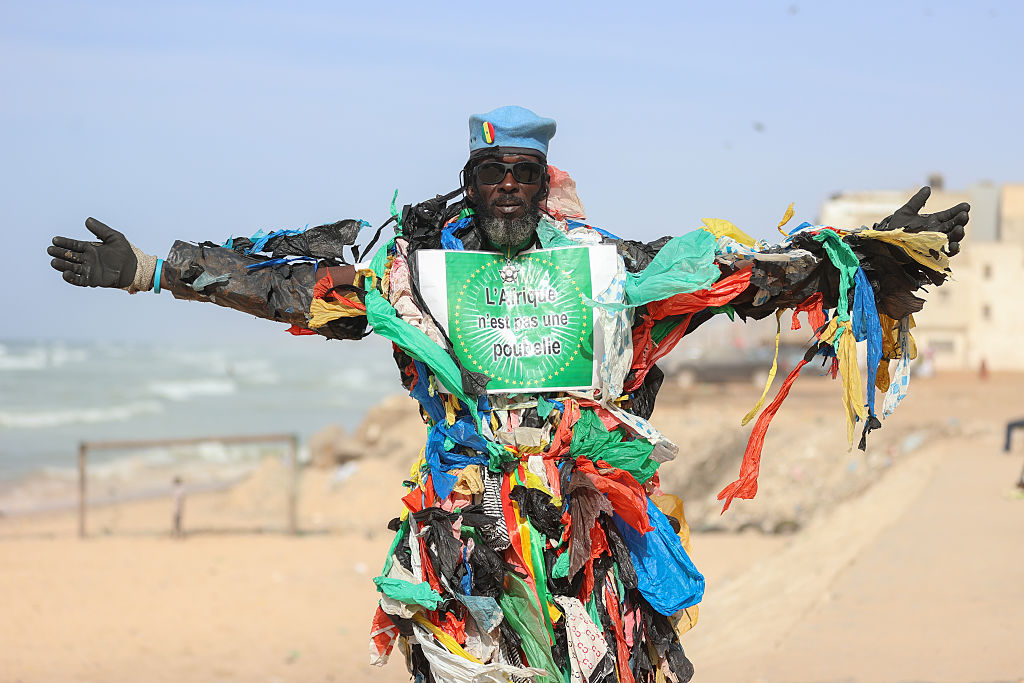
Often draped in plastic, Modou Fall, widely known as ‘The Plastic Man’, has made it his life’s purpose to eradicate plastic waste.
As the founder of the environmental association, Clean Senegal, Modou Fall travels the country, educating schools, organizing clean-ups, and campaigning against single-use plastics.
“We organized an ecological march from Dakar to Saint Louis, walking 10 days over 270 kilometers, to raise awareness about environmental education,” he tells FORBES AFRICA.
Fall’s efforts earned him the National Order of Merit in 2015 in Senegal, a milestone that, he says, gave him the self-validation needed to continue his mission.
“I will continue to fight until the last breath of my life,” Fall declares.
This realization that plastic will be forever intertwined with modern society is vital to creating tailored solutions. Trying to eradicate waste altogether is an almost impossible feat, meaning one must pick their battles wisely.
To combat the continuous stream, Fall sees circular solutions as the most potent avenue to tackling plastics’ omnipresence. There’s no shortage of waste across the continent, underscoring the yin and yang of opportunity and the dire reality.
It’s in rotting landfills, suffocating lakes and inundated waterways, and will remain publicly residual until collaborative motives are implemented.
With the ability to create jobs and expand industries, waste could become a provider rather than a suppressor. Concentrated public and private funding is required to unlock the treasures of pollution, potentially transforming an everyday pain into a collective gain.
“My fight is that Africa doesn’t remain a dustbin. It is time that we use our resources to create our own plastics industry, develop ways to repurpose certain waste, and educate children. We must prioritize recycling systems because we can no longer live without plastic,” Fall concludes.
The Daily Brief
Get the daily FORBES.NG briefing.
Comments (0)
Sign in to join the conversation.
Related Stories

Businesses Are Investing in AI but Struggling to Measure Its Returns
Turning AI pilots into measurable business value requires clear objectives, reliable baselines and disciplined oversight.

Why Businesses Need More Than AI Tools to Compete
Technology alone does not guarantee business results; strategy, staff capability, trustworthy data and measurable goals shape the value of AI.

AI Agents Could Transform Digital Payments, but Trust Remains Essential
Automated tools may streamline payment journeys, but security, consumer consent and clear accountability will shape adoption.
More from Freddie Hiney
Zambia Prepares For El Niño After Previous Droughts Triggered Blackouts
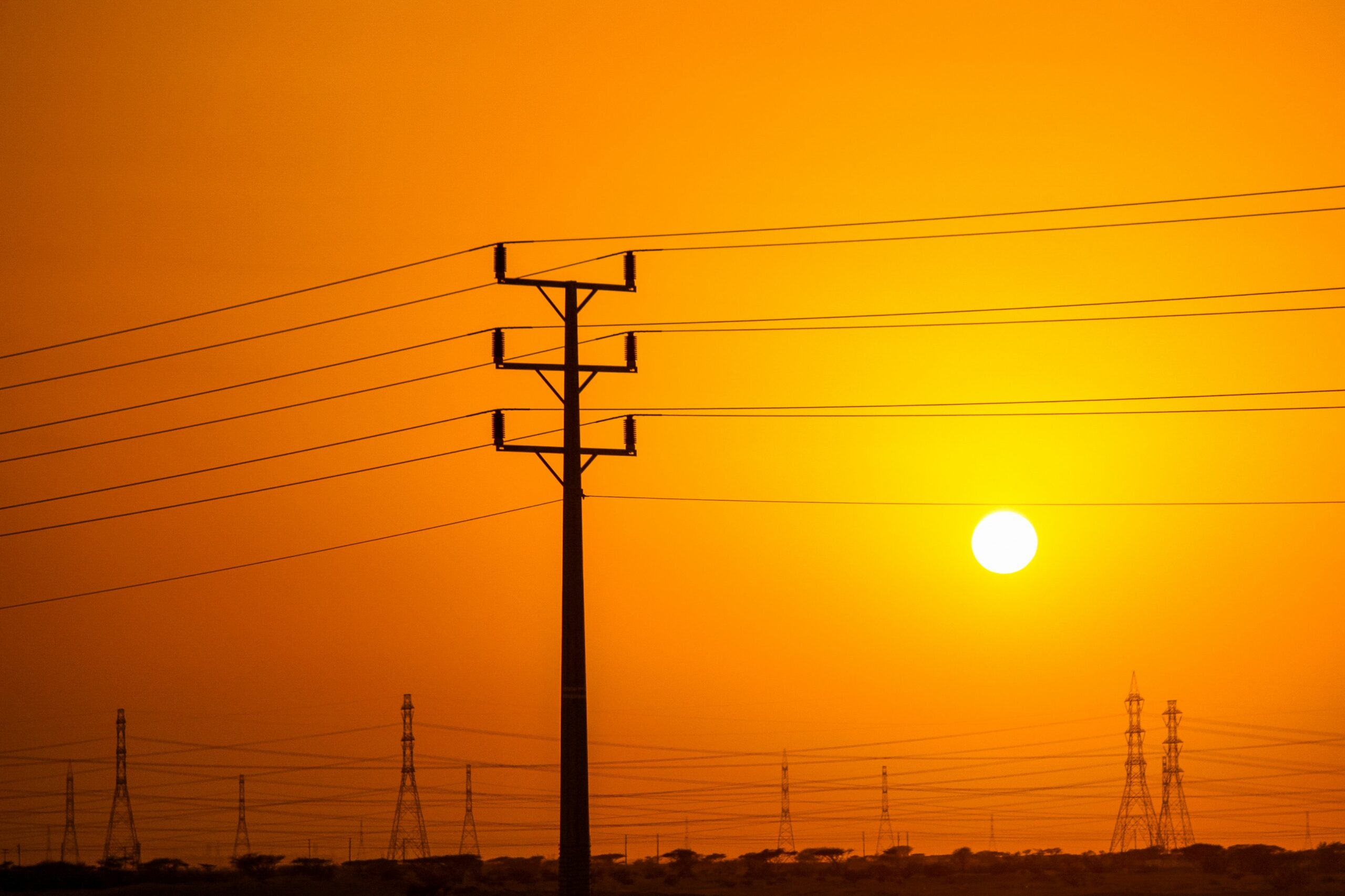
The drought over two years ago had catastrophic consequences for Zambia’s energy security–a nation largely dependent on hydropower, generating over 80% of its electricity, according to government figures. As rivers dried up, the number of blackouts rose. The arriving El Niño—widely expected to become one of the strongest on record and anticipated to grapple the …

‘Thinking Five Years Ahead’: Ethiopia’s $50 Million Bet To Become Billion-Dollar Regional Gold And Metals Hub
Inaugurated on October 10, Ethiopia’s National Precious Metals Refinery coincides with gold’s rising importance for the nation of nearly 140 million people. According to the National Bank of Ethiopia, gold exports rose from $133.6 million in the fourth quarter (Q4) of 2023/24 to $1.29 billion in Q4 2024/25. Welcomed as Ethiopia’s first gold refinery, and …
Interest Rate Rises In South Africa, Experts Evaluate Possibility Of Recession
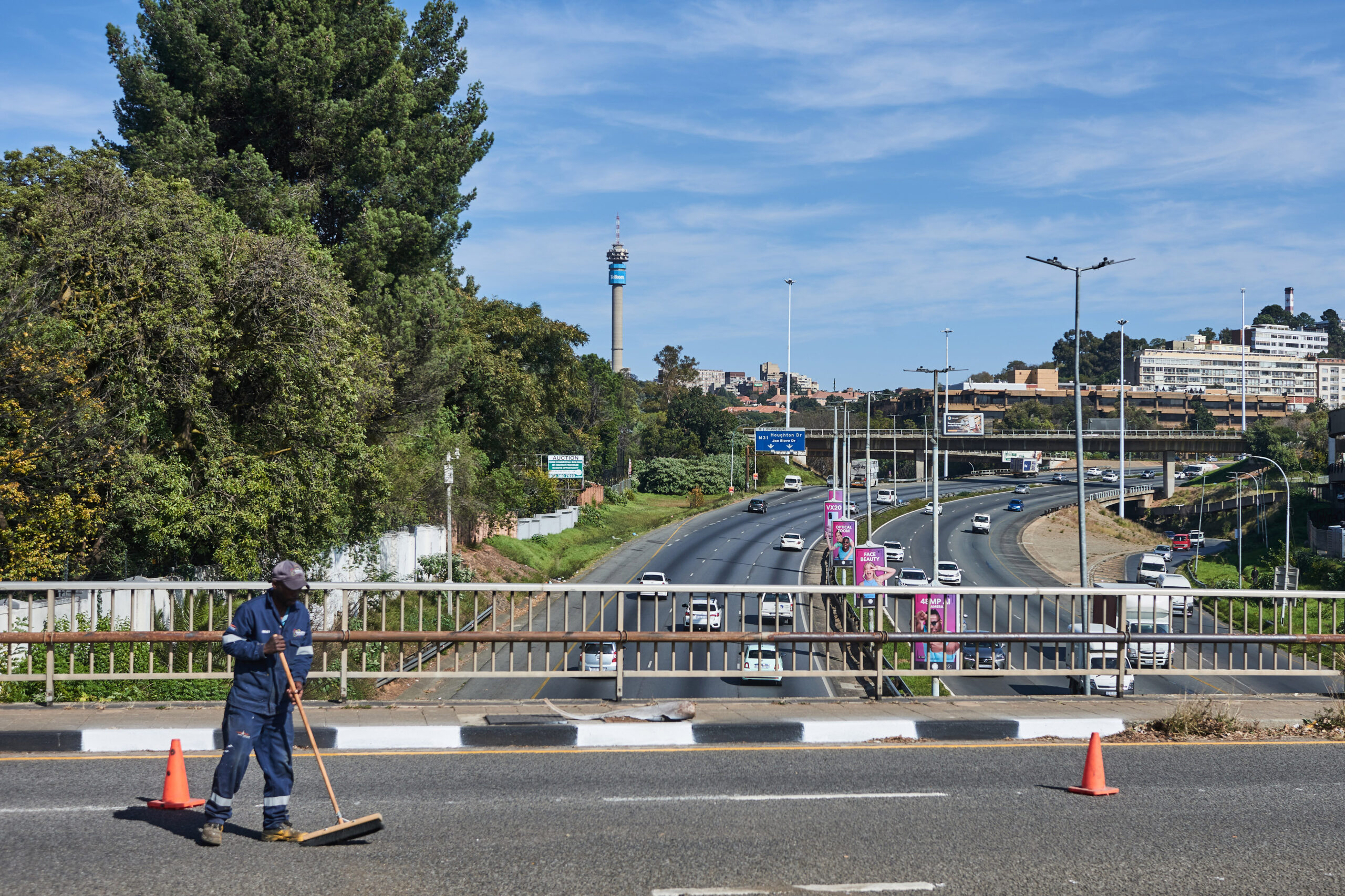
The financial toll of the ongoing global energy crisis is becoming increasingly apparent for Africa’s biggest economy. On Thursday, the South African Reserve Bank (SARB) announced its decision to increase the interest rate by 25 basis points to 7%, a week after year-on-year head inflation hiked to 4%, up from 3.1% in March. Offering some …
Recommended


The Daily Brief