

Ghana's cement wars: how Gold Coast Cement held its ground
Import competition and rising energy costs squeezed margins. Management's answer was vertical integration.


When the board met in Lagos this spring, the question on the table was simple enough: how far could the business go before the macro environment pushed back? The answer, as this reporting shows, was further than most observers expected.
Over the past eighteen months, conversations with more than two dozen executives, investors and regulators paint a picture of a market that is maturing faster than its reputation suggests. "Ghana's cement wars: how Gold Coast Cement held its ground" is, in many ways, a story about that maturation.
A different kind of ambition
Executives describe a deliberate shift away from growth at any cost toward durable, cash-generating operations. That has meant fewer launches, harder conversations with investors and a sharper focus on unit economics.
“We stopped asking how big we could get and started asking how long we could last. That changed every decision.”
— A senior executive, speaking on background
The numbers support the shift. Operating margins across the sector have improved, even as currency volatility has made dollar-denominated comparisons painful.
| Metric | 2024 | 2025 | 2026 (est.) |
|---|---|---|---|
| Revenue (₦bn) | 184 | 231 | 289 |
| Operating margin | 14% | 17% | 19% |
| Markets served | 4 | 5 | 7 |
What investors are watching
- Foreign-exchange liquidity and repatriation of earnings
- Regulatory clarity on licensing across borders
- Energy costs and infrastructure reliability
- Talent retention as global employers hire remotely

None of this is guaranteed. Several of the people interviewed for this story warned that policy reversals remain the single largest risk. But for now, momentum is on the side of the builders.
What comes next
- Consolidation among mid-sized players
- More listings on African exchanges
- Deeper partnerships with global capital
This article contains fictional placeholder reporting created for the FORBES.NG development build. Names, figures and quotes are illustrative.
The Daily Brief
Get the daily FORBES.NG briefing.
Comments (0)
Sign in to join the conversation.
Related Stories

African Exporters Can Compete Better by Treating Standards as Strategy
Consistent quality systems, traceability and documentation can help exporters reduce shipment disputes, meet buyer requirements and build durable access to regional and international markets.
African Trade Corridors: The Business Case for More Reliable Logistics
Efficient trade corridors depend on coordinated border procedures, dependable transport, transparent fees and better information across the movement of goods.

Wavers News: Building a Global Digital Media Platform Through News and Information
Operating under Wavers Multimedia, Wavers News covers Nigerian and international news across business, politics, education, technology, entertainment, sports and other areas of public interest.
More from Kwame Mensah
African Exporters Can Compete Better by Treating Standards as Strategy
Consistent quality systems, traceability and documentation can help exporters reduce shipment disputes, meet buyer requirements and build durable access to regional and international markets.
African Trade Corridors: The Business Case for More Reliable Logistics
Efficient trade corridors depend on coordinated border procedures, dependable transport, transparent fees and better information across the movement of goods.
Recommended

Malawi 2026: Charting A New Development Path
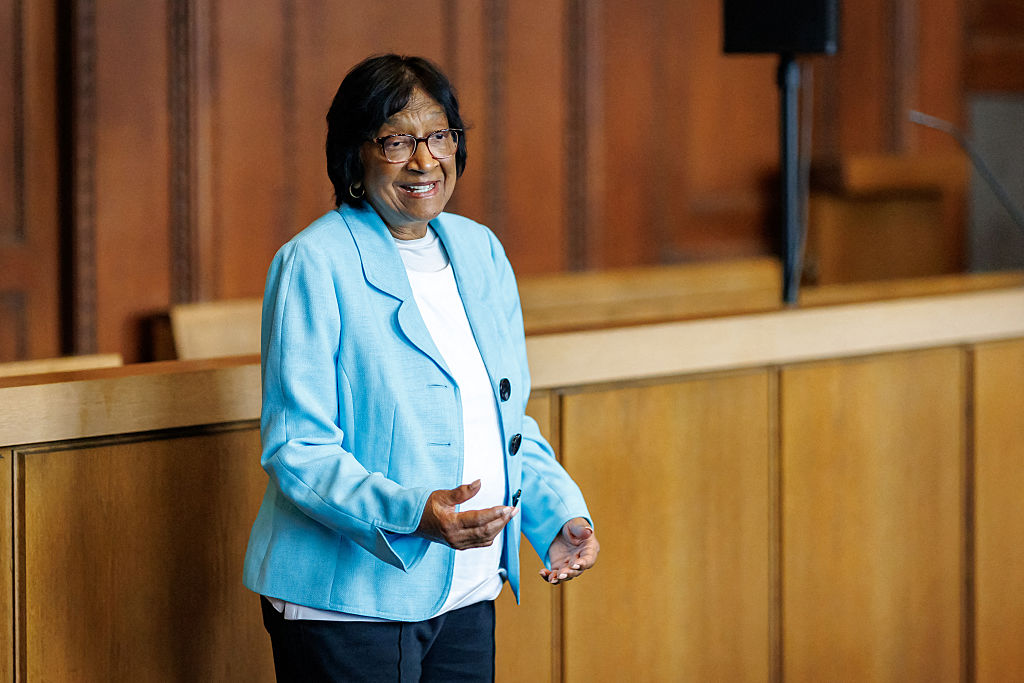
‘Pleased To Join All Those Who Support International Justice’: South Africa’s First Female Nobel Peace Prize Laureate On Upholding The Rule Of Law
‘Pleased To Join All Those Who Support International Justice’: South Africa’s First Female Nobel Peace Prize Laureate On Upholding The Rule Of Law
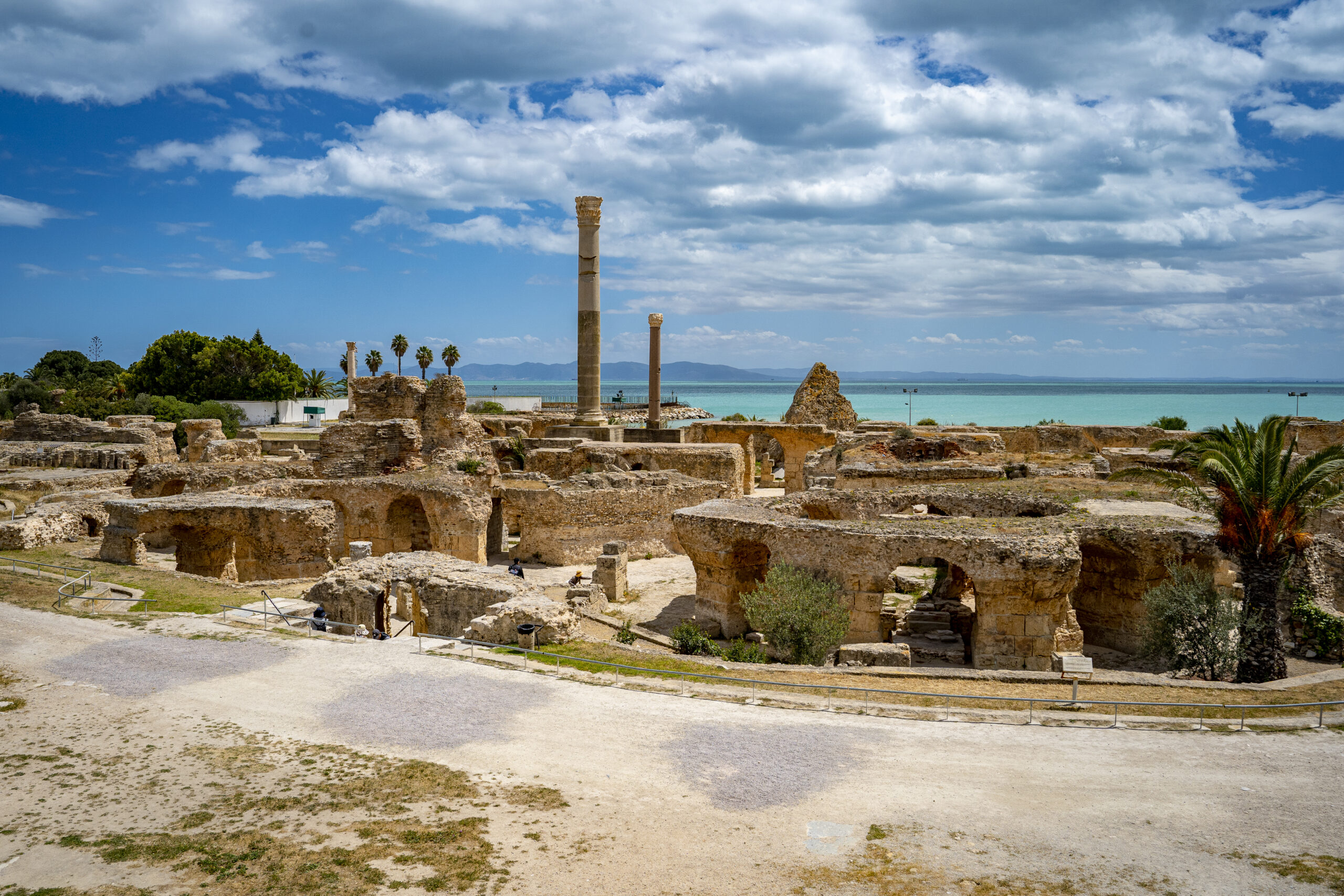
Where Continents Meet, Opportunity Begins
The Daily Brief