

‘Fascinated By The Impossible’: The Kenyan Focused On Advancing Infrastructure With Her Space Company
Born and raised in Nairobi, Kenya, entrepreneur and aerospace engineer Wanjiku Kanjumba is articulating Africa’s future in the global space race. It was an innate curiosity that sparked her path to space. “It started when I looked up into the stars [at the age of four]. The first thing going through my mind was: ‘why …

Born and raised in Nairobi, Kenya, entrepreneur and aerospace engineer Wanjiku Kanjumba is articulating Africa’s future in the global space race.
It was an innate curiosity that sparked her path to space.
“It started when I looked up into the stars . The first thing going through my mind was: ‘why is this big thing in the sky following me when I’m walking at night?’” Kanjumba tells FORBES AFRICA.
“I marveled at the vastness. I’m a person who’s fascinated by the impossible; the unattainable.”
As a young girl with big dreams, her origin was never seen as a limitation. The real barrier was the inaccessibility of rockets… until she witnessed one launch at the age of 15. From that moment, her fascination became a fixation.
“That’s when I realized that this technology isn’t far-fetched. It’s not just in the movies,” Kanjumba says, her voice lighting up as if she were transported back to that defining moment.
Following secondary education in Nairobi, Kanjumba moved to the U.S., to study at Florida’s Embry-Riddle Aeronautical University, graduating with a master’s degree in aerospace engineering. She is now pursuing a PhD at the University of Florida.
During her academic journey, she co-founded Vicillion, a space company focused on advancing infrastructure and sustainable development. It’s through this venture that her presence back home has shone.
Vicillion has unveiled plans to build Kenya’s first-ever commercial equatorial launch facility, known as the Omega Spaceport, by 2029—a potential game-changer for Africa’s space industry.
Located on the equator, meaning less distance to space, Kenya’s positioning saves time and money, with expected cost reductions of over 40%, Kanjumba shares, before revealing that the facility has interest from global corporations ahead of construction.
“Why not leverage our perfect location to launch rockets, which is something the more advanced space countries can’t replicate,” says Kanjumba, who emphasizes the various upsides to becoming the world’s launch hub.
“When equipment is shipped to Africa, there has to be trust in more than just technology and resource exchange. Through that trust, you gain access to advanced companies where we can transfer knowledge and skills to build a stronger technical workforce within Africa.”
Rather than perceiving global intervention as a threat to local markets, Kanjumba sees it as a crucial step towards domestic space maturity.
“By allowing foreign companies to launch their rockets, the idea of building and launching rockets on African soil becomes more attainable, because you’ve taken the time to have this facility, you’ve nurtured it.”
Her ambition for Africa to become the global gateway to space is no longer a dream. It’s an emerging reality that could stimulate Africa’s positioning in the centi-hundred-million-dollar space economy.
However, it’s arguably her desire to spark curiosity in others that will prove the most impactful.
The Daily Brief
Get the daily FORBES.NG briefing.
Comments (0)
Sign in to join the conversation.
Related Stories

Businesses Are Investing in AI but Struggling to Measure Its Returns
Turning AI pilots into measurable business value requires clear objectives, reliable baselines and disciplined oversight.

Why Businesses Need More Than AI Tools to Compete
Technology alone does not guarantee business results; strategy, staff capability, trustworthy data and measurable goals shape the value of AI.

AI Agents Could Transform Digital Payments, but Trust Remains Essential
Automated tools may streamline payment journeys, but security, consumer consent and clear accountability will shape adoption.
More from Freddie Hiney
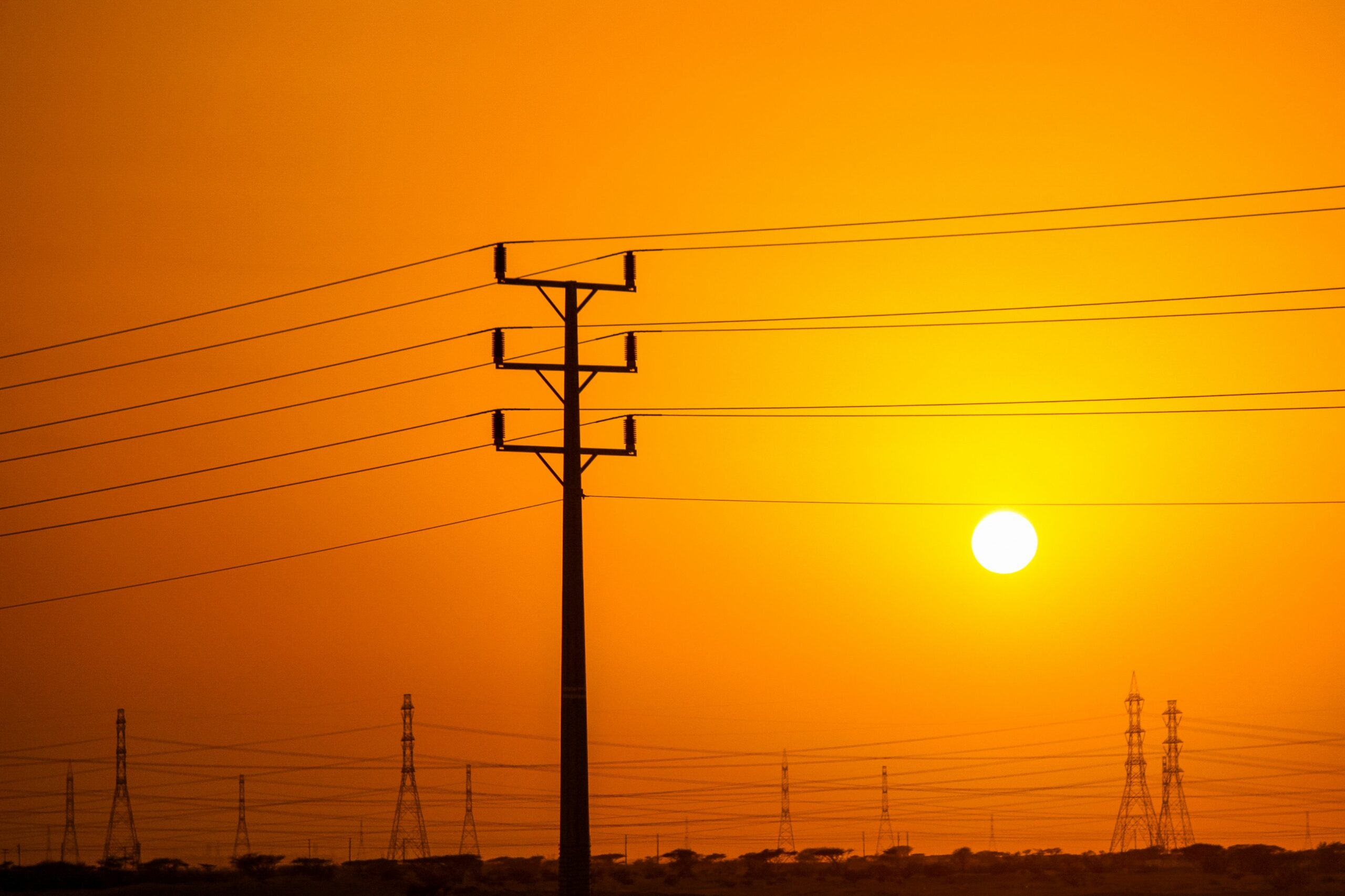
Zambia Prepares For El Niño After Previous Droughts Triggered Blackouts
The drought over two years ago had catastrophic consequences for Zambia’s energy security–a nation largely dependent on hydropower, generating over 80% of its electricity, according to government figures. As rivers dried up, the number of blackouts rose. The arriving El Niño—widely expected to become one of the strongest on record and anticipated to grapple the …

‘Thinking Five Years Ahead’: Ethiopia’s $50 Million Bet To Become Billion-Dollar Regional Gold And Metals Hub
Inaugurated on October 10, Ethiopia’s National Precious Metals Refinery coincides with gold’s rising importance for the nation of nearly 140 million people. According to the National Bank of Ethiopia, gold exports rose from $133.6 million in the fourth quarter (Q4) of 2023/24 to $1.29 billion in Q4 2024/25. Welcomed as Ethiopia’s first gold refinery, and …
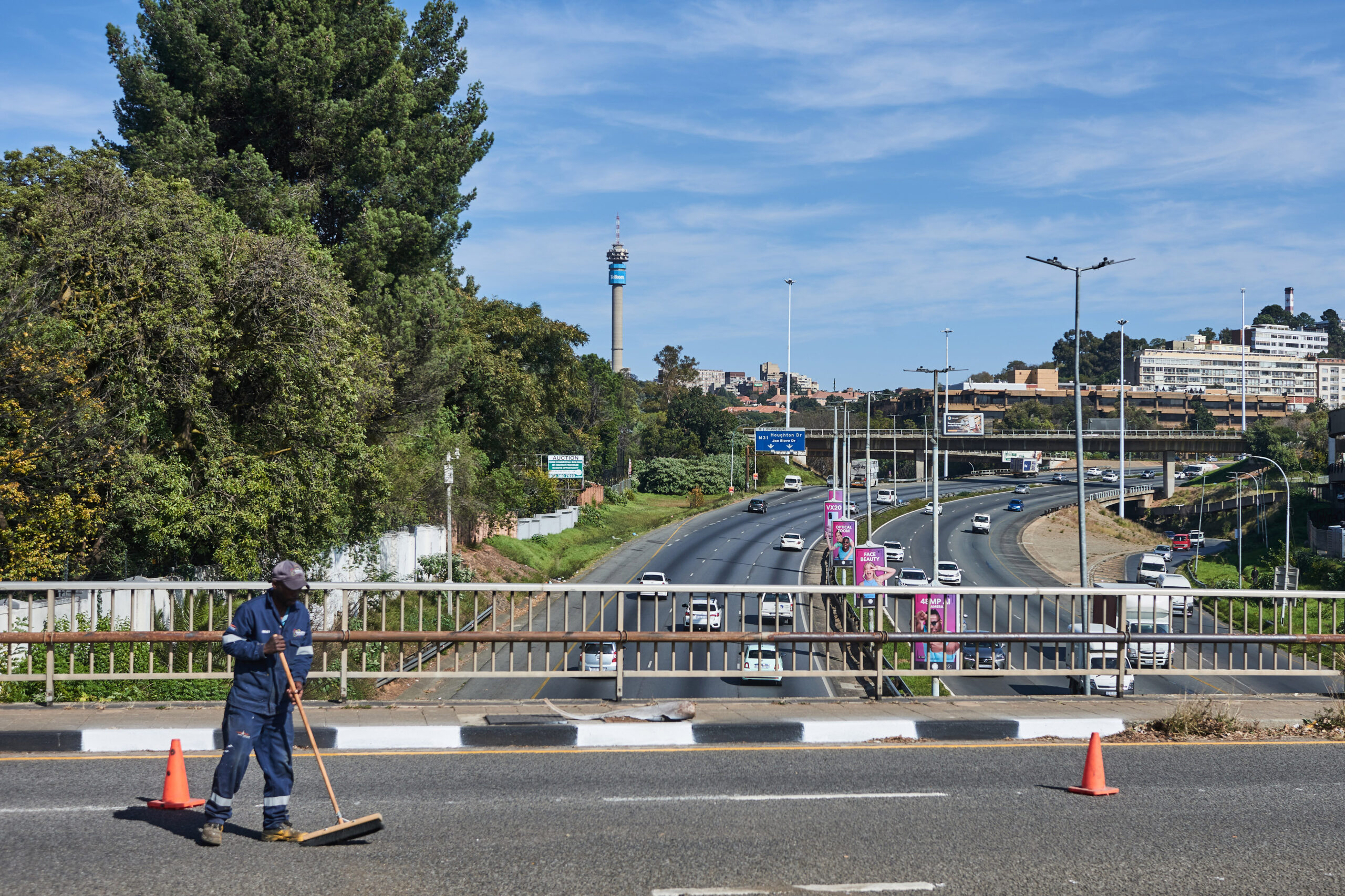
Interest Rate Rises In South Africa, Experts Evaluate Possibility Of Recession
The financial toll of the ongoing global energy crisis is becoming increasingly apparent for Africa’s biggest economy. On Thursday, the South African Reserve Bank (SARB) announced its decision to increase the interest rate by 25 basis points to 7%, a week after year-on-year head inflation hiked to 4%, up from 3.1% in March. Offering some …
Recommended


The Daily Brief