

Exclusive: Unpacking South Africa’s $400 Million Formula 1 Bid
Picture over 700 horsepower whizzing by, the sound so visceral that, for a split-second, it nullifies the crowd’s roar as Ferraris, McLarens and the rest of the field thread through tight hairpins and high-speed corners. Having previously owned South Africa’s Kyalami Grand Prix Circuit during five Formula 1 weekends, Bob Hartslief has felt this sensory …
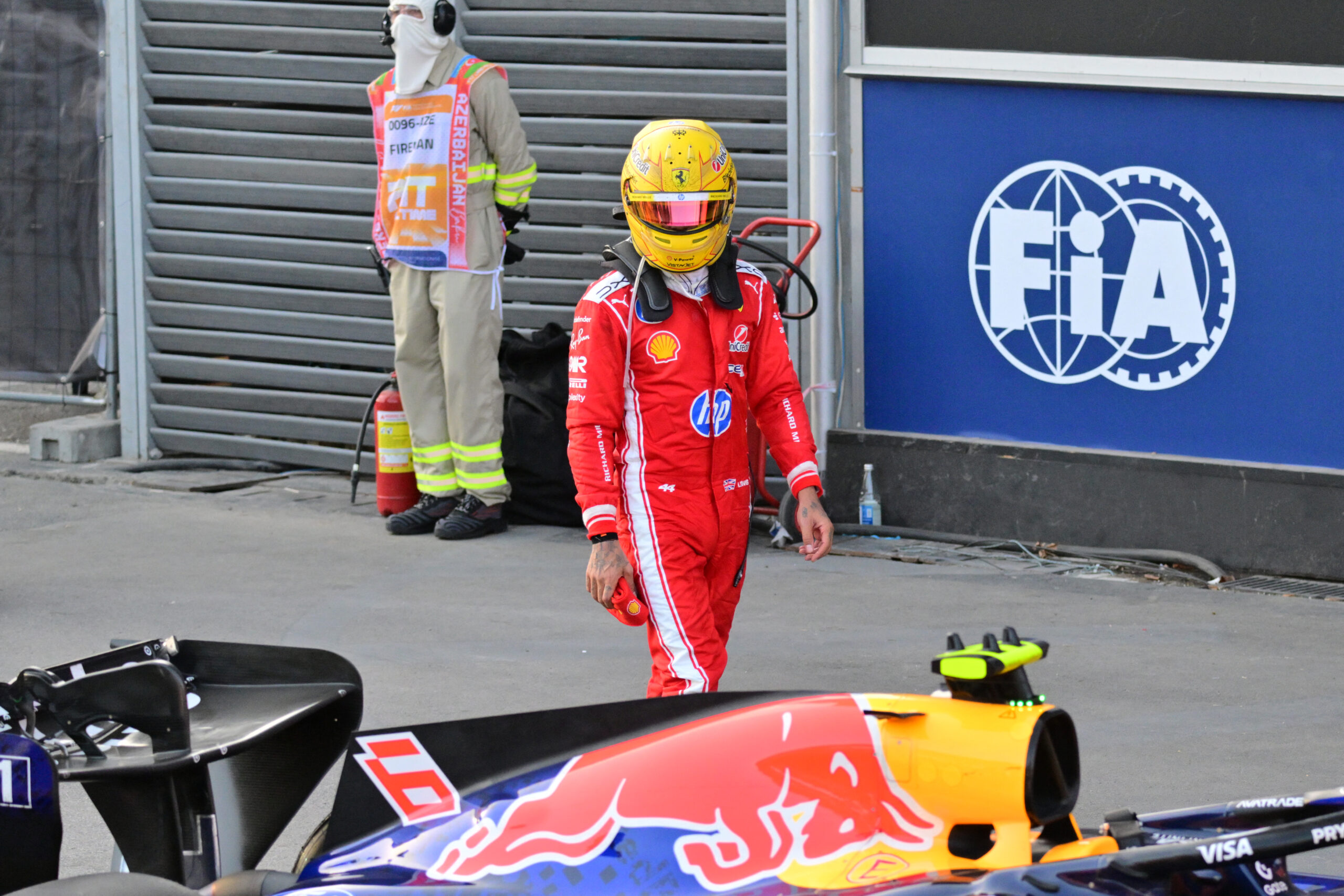
Picture over 700 horsepower whizzing by, the sound so visceral that, for a split-second, it nullifies the crowd’s roar as Ferraris, McLarens and the rest of the field thread through tight hairpins and high-speed corners.
Having previously owned South Africa’s Kyalami Grand Prix Circuit during five Formula 1 weekends, Bob Hartslief has felt this sensory allure before. Now he’s part of a centi-million-dollar-backed consortium hoping to bring it back.
It has been over three decades since Africa hosted Formula 1, way back when Alain Prost drove to a textbook victory over the late Ayrton Senna at Kyalami in 1993. A lot has changed for the motorsport since then, bought by Liberty Media at an equity value of $4.4 billion in 2017 and now valued at over $20 billion.
It has become as much of a spectacle as a race, the latter being the headline show amid concerts, activations, and the glitz and glam that comes with having the rich and famous in town.
Many would have Kyalami down as the obvious candidate for South Africa’s return to Formula 1, but in late September, Blue Mountain Racing, led by tycoon Neal Froneman, mining veteran Srinivasan Venkatakrishnan, corporate lawyer Robert Appelbaum and Hartslief, announced its intention to build a new racetrack on the outskirts of Cape Town.
They plan to do so without a guarantee that Formula 1 will one day arrive. The ambiguity is two-fold: they face competition from other nations, namely Rwanda, Nigeria and Morocco, reportedly alongside Kyalami’s owner, Toby Venter, and have to please a governing body, the Fédération Internationale de l’Automobile (FIA), who have many non-negotiables.
“It’s a cat and mouse game….we think that we can present a good option in South Africa but ultimately Formula 1 decides….we’ve been talking to them …now we move to the next threshold,” Hartslief informs FORBES AFRICA, revealing: they “could look to accommodate us at the end of 2030 or 2031.”
But first, mandates must be met. This includes everything from being within a 30-minute radius of an international airport and around 4,000 hotel rooms, to housing 125,000 seats, 40 helicopter pads, and having the public infrastructure for spectators to enter and leave within three hours of lights out and the checkered flag.
The FIA checklist is more thorough than it once was, and is perhaps why South Africa’s best chance at landing Formula 1 is with a fresh slate. Blue Mountain Racing believes they have found the answer around 50 kilometers north of Cape Town in the municipality of Swartland.
It’s here that the prized 600-hectare farm boasting a 50-hectare dam resides. And while ongoing preliminary assessments means they are yet to buy it, Appelbaum assures FORBES AFRICA that it is in their “possession in as much as we have the option on it and it’s watertight”.
Blue Mountain Racing intends to keep their Formula 1 venture private, but Appelbaum shares: “we’ve got a province that’s happy to build more roads if we want,” while Hartslief confirms that a positive meeting with South Africa’s Minister of Sports, Arts, and Culture, Gayton McKenzie, took place.
If all goes through, the consortium expects construction to cost around $400 million (R6.7 billion), with roughly $120 million (R2 billion) concentrated on a state-of-the-art pit building doubling up as a conference center.
The venue’s design is centered around an all-year-round destination idea. Think outside the box, and they could create consistent revenue streams that would undoubtedly spill over into the surrounding communities.
Renowned for farming, advancing foot traffic would bode well for the microeconomies of Swartland, potentially transforming several rural towns into thriving tourism hubs.
One consideration is modular grandstands that convert into amphitheater settings for live concerts. Hartslief points out Liberty Media’s ownership of global live entertainment company Live Nation Entertainment: “We can look at a package deal that says bring us MotoGP, Formula 1, and three or four headline acts using the same facility.”
More so, he hints at a high-tech industrial park with “maybe a data center”, before confirming that they’re “aiming at building 100 trackside condos” for visitors to drive the track in what he mimics as a golf estate blueprint.
Appelbaum also says Formula 1’s biggest sponsor, as of January 2026, Standard Chartered, wants a reunion too, assuring that it “was one of their conditions”.
Eager to be the solution, a centi-million-dollar bet is brewing in South Africa’s Swartland; but like racing, reaching the finish line isn’t a given.
The Daily Brief
Get the daily FORBES.NG briefing.
Comments (0)
Sign in to join the conversation.
Related Stories

Businesses Are Investing in AI but Struggling to Measure Its Returns
Turning AI pilots into measurable business value requires clear objectives, reliable baselines and disciplined oversight.

Why Businesses Need More Than AI Tools to Compete
Technology alone does not guarantee business results; strategy, staff capability, trustworthy data and measurable goals shape the value of AI.

AI Agents Could Transform Digital Payments, but Trust Remains Essential
Automated tools may streamline payment journeys, but security, consumer consent and clear accountability will shape adoption.
More from Freddie Hiney
Zambia Prepares For El Niño After Previous Droughts Triggered Blackouts
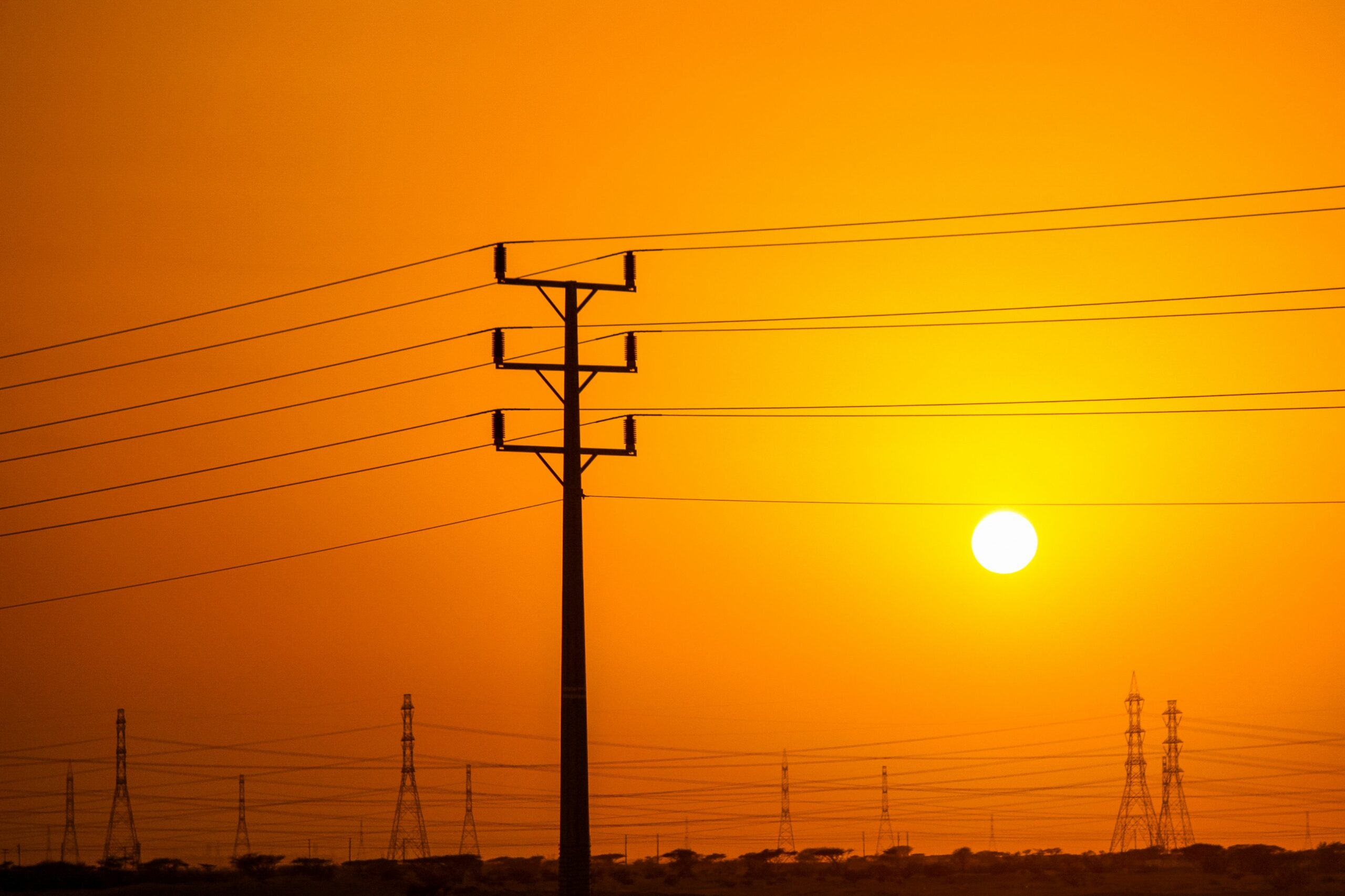
The drought over two years ago had catastrophic consequences for Zambia’s energy security–a nation largely dependent on hydropower, generating over 80% of its electricity, according to government figures. As rivers dried up, the number of blackouts rose. The arriving El Niño—widely expected to become one of the strongest on record and anticipated to grapple the …

‘Thinking Five Years Ahead’: Ethiopia’s $50 Million Bet To Become Billion-Dollar Regional Gold And Metals Hub
Inaugurated on October 10, Ethiopia’s National Precious Metals Refinery coincides with gold’s rising importance for the nation of nearly 140 million people. According to the National Bank of Ethiopia, gold exports rose from $133.6 million in the fourth quarter (Q4) of 2023/24 to $1.29 billion in Q4 2024/25. Welcomed as Ethiopia’s first gold refinery, and …
Interest Rate Rises In South Africa, Experts Evaluate Possibility Of Recession
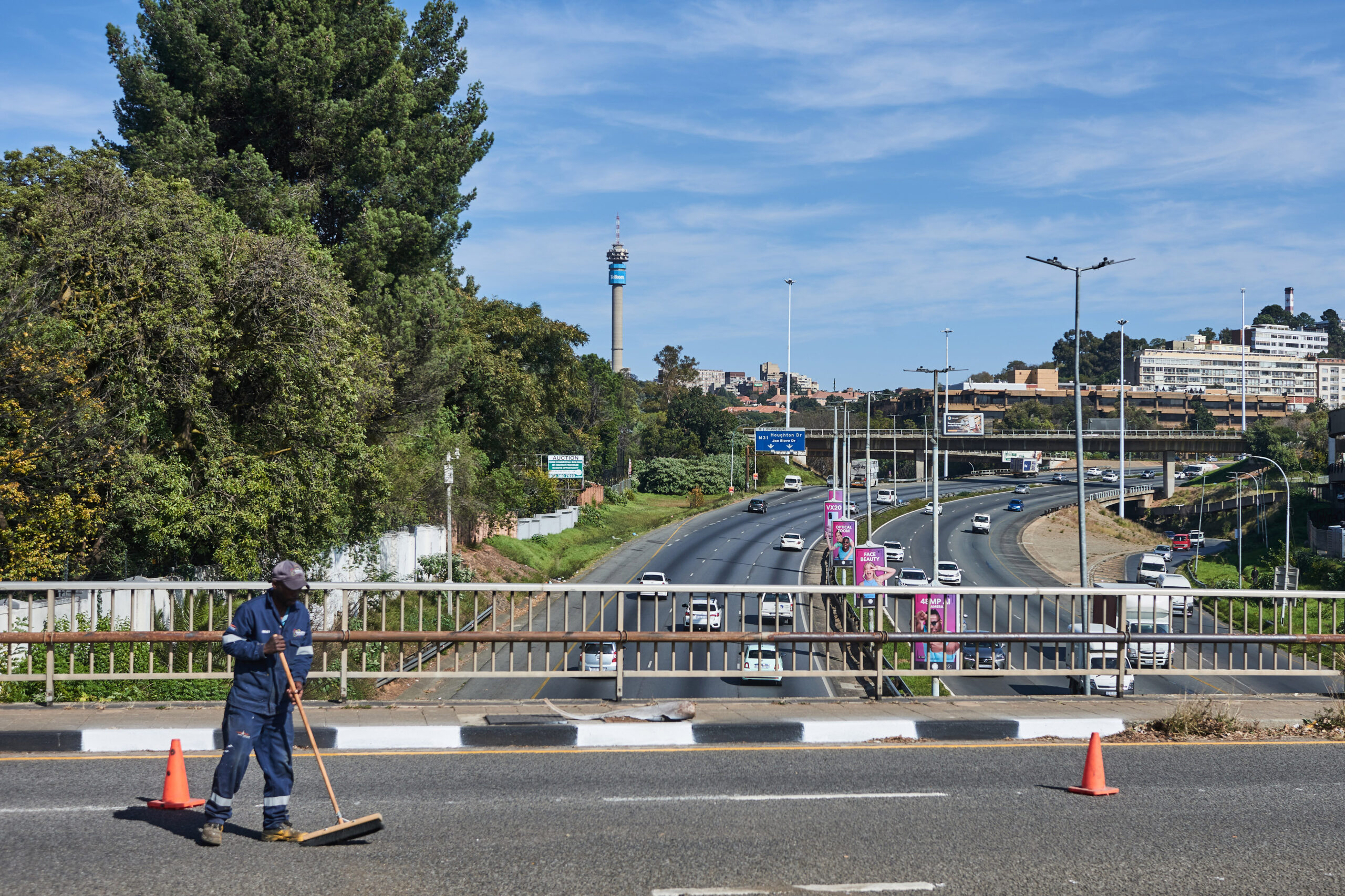
The financial toll of the ongoing global energy crisis is becoming increasingly apparent for Africa’s biggest economy. On Thursday, the South African Reserve Bank (SARB) announced its decision to increase the interest rate by 25 basis points to 7%, a week after year-on-year head inflation hiked to 4%, up from 3.1% in March. Offering some …
Recommended


The Daily Brief