

‘Climate Variability Becoming Less Predictable’: What A Super El Niño Event May Mean For Africa’s Farmlands
African farmers face a tumultuous future as erratic weather patterns appear imminent. The fragility of food security could once again implode into a regional crisis. This year has welcomed favorable yields across the region, from Malawian maize to South African citrus; however, an incoming super El Niño threatens to derail progress. On Tuesday, the World …

African farmers face a tumultuous future as erratic weather patterns appear imminent. The fragility of food security could once again implode into a regional crisis.
This year has welcomed favorable yields across the region, from Malawian maize to South African citrus; however, an incoming super El Niño threatens to derail progress.
On Tuesday, the World Meteorological Organization (WMO) revealed there is an 80% chance the strong climatic event will arrive before September and a 90% chance by November.
“El Niño conditions will pour fuel on the fire of a warming world,” said United Nations Secretary-General António Guterres in a statement on Tuesday. “Impacts will hit even harder, travel even farther, and cross borders with devastating speed.”
The WMO Secretary-General Celeste Saulo has warned that nations, globally, need to prepare for a potentially strong El Niño event, which “will exacerbate drought and heavy rainfall and increase the risk of heatwaves both on land and in the ocean”.
History shows us that such extreme weather can disrupt agriculture, the mainstay of Africa’s informal workforce. While the WMO ranked the 2023-24 El Niño as one of the five strongest on record, the jury is still out as to how damaging its successor will be.
Early indicators point to an especially savage El Niño, widely dubbed by scientists to become a ‘Godzilla’ event.
“Warmer global temperatures are supercharging the hydrological cycle, making dry conditions drier and rainfall events more extreme,” Saliem Fakir, Executive Director and Founder of the African Climate Foundation, tells FORBES AFRICA.
While foresight allows farmers to better prepare, there’s growing consensus that this El Niño could be especially ambiguous.
“Scientists are warning that climate variability is becoming less predictable, reducing the reliability of historical weather patterns that sectors like agriculture depend on,” Fakir notes.
Unpredictable by nature, Africa’s various climates, ranging from sub-tropical to desert, mean each region is forecasted to experience different extremes.
The Greater Horn of Africa Climate Outlook Forum (GHACOF), representing a region that depends on the June-September rainy season for 50% of its annual rainfall, predicts a high likelihood of below-normal rainfall across much of the northern Greater Horn of Africa, including northern Ethiopia, northern Uganda, and southern Sudan.
Meanwhile, southeastern Ethiopia, northern Sudan, and the majority of Somalia are forecast to receive enhanced rainfall, while southern coastal Somalia and Kenya are expected to see near-normal rainfall.
Elsewhere, intense droughts are projected across most of southern Africa and parts of West Africa, threatening yields, and amplifying the possibility of rising food costs.
After cocoa crops across Ghana and Côte d’Ivoire were devastated by the previous El Niño-linked weather disruptions and other constraints–cocoa prices reportedly surged above $9,000 a ton in 2024, drastically higher than the previous year’s $2,500 a ton.
Around that time, droughts caused southern Africa’s Zimbabwe, Zambia and Malawi to declare national states of emergency following widespread crop failures.
There’s a clear correlation between poor agricultural output and El Niño cycles, begging the question: how can African farmers be better prepared this time?
Fakir identifies two crucial contingency measures: early responsiveness and planning, and responsiveness during and after an extreme event. He insists that to protect crops best, the focus surrounding support systems must shift from “emergency responses” to establishing pre-disaster resilience.
Compared to previous El Niños, the advancement of artificial intelligence (AI) provides an unprecedented advantage, from climate risk modeling and early detection to adaptive land and water management.
But when Africa receives just 4% of global climate finance, the region’s ability to adopt such cost-intensive strategies is limited. In the coming months, much of the onus lies on governments and central banks, Fakir believes.
“The farmers need support from the larger ecosystem of actors. Governments need to improve tax collection, reduce debt stress, and diversify their economies. Then, through that fiscal space, create investments in climate-proofing agriculture.”
Administrations have the scope to establish social protection schemes and community-based infrastructure, while central banks can encourage climate-conscious economies through climate scenario analysis and climate stress testing.
Additionally, they can minimize “climate-related financial risks by understanding the climate risks in their loan books”.
While there are several safeguards at their disposal, further intensifying anxieties over agricultural failures are soaring fertilizer costs, sparked by conflict in the Middle East.
El Niño threat aside, African farmers already face an uphill battle nurturing crops. The near-inevitability of extreme weather now makes it a colossal mountain to climb.
The Daily Brief
Get the daily FORBES.NG briefing.
Comments (0)
Sign in to join the conversation.
Related Stories

Businesses Are Investing in AI but Struggling to Measure Its Returns
Turning AI pilots into measurable business value requires clear objectives, reliable baselines and disciplined oversight.

Why Businesses Need More Than AI Tools to Compete
Technology alone does not guarantee business results; strategy, staff capability, trustworthy data and measurable goals shape the value of AI.

AI Agents Could Transform Digital Payments, but Trust Remains Essential
Automated tools may streamline payment journeys, but security, consumer consent and clear accountability will shape adoption.
More from Freddie Hiney
Zambia Prepares For El Niño After Previous Droughts Triggered Blackouts
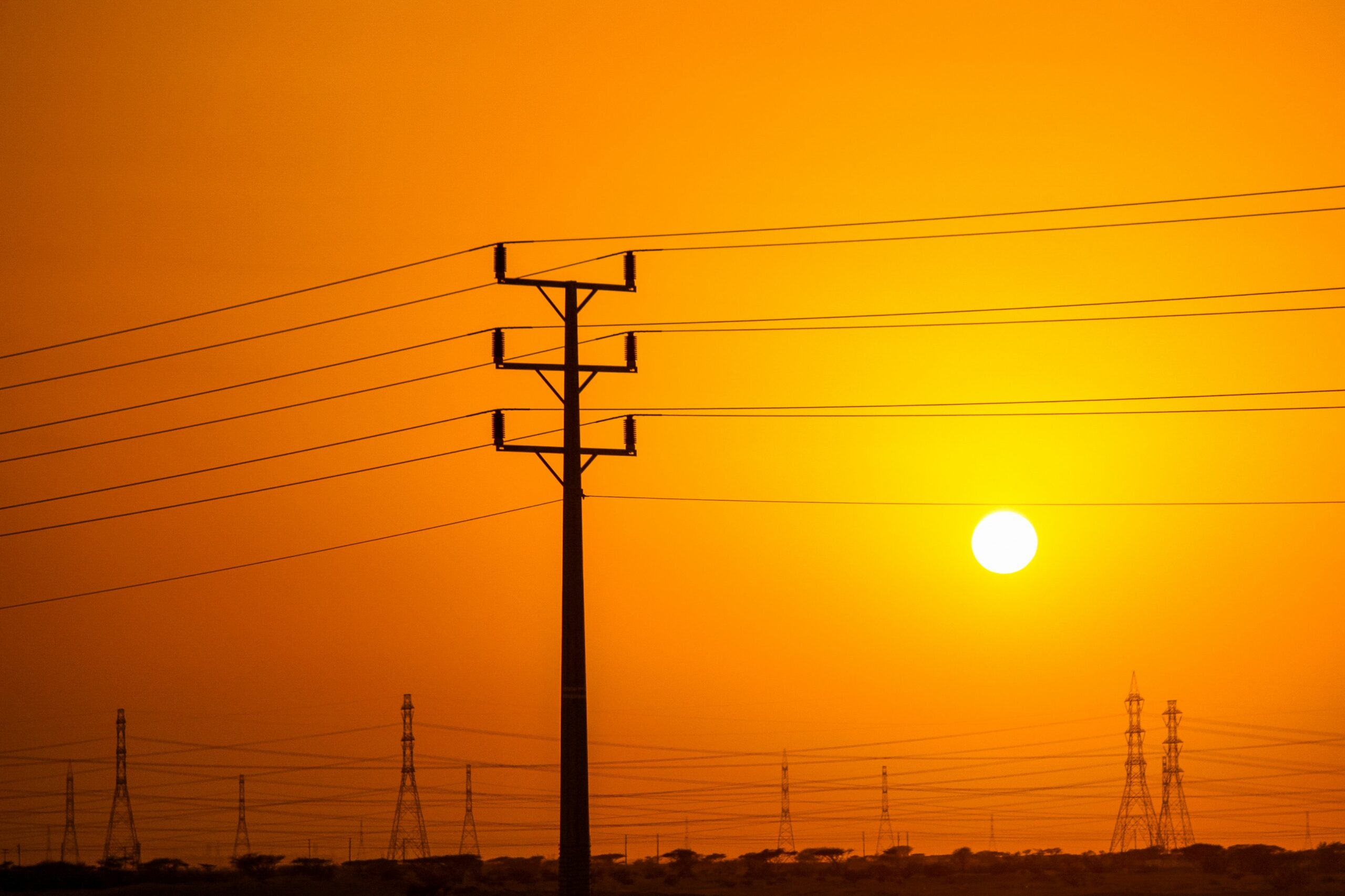
The drought over two years ago had catastrophic consequences for Zambia’s energy security–a nation largely dependent on hydropower, generating over 80% of its electricity, according to government figures. As rivers dried up, the number of blackouts rose. The arriving El Niño—widely expected to become one of the strongest on record and anticipated to grapple the …

‘Thinking Five Years Ahead’: Ethiopia’s $50 Million Bet To Become Billion-Dollar Regional Gold And Metals Hub
Inaugurated on October 10, Ethiopia’s National Precious Metals Refinery coincides with gold’s rising importance for the nation of nearly 140 million people. According to the National Bank of Ethiopia, gold exports rose from $133.6 million in the fourth quarter (Q4) of 2023/24 to $1.29 billion in Q4 2024/25. Welcomed as Ethiopia’s first gold refinery, and …
Interest Rate Rises In South Africa, Experts Evaluate Possibility Of Recession
The financial toll of the ongoing global energy crisis is becoming increasingly apparent for Africa’s biggest economy. On Thursday, the South African Reserve Bank (SARB) announced its decision to increase the interest rate by 25 basis points to 7%, a week after year-on-year head inflation hiked to 4%, up from 3.1% in March. Offering some …
Recommended


The Daily Brief