

African Farmers Face Potential Crisis Amid Middle East Conflict
The continent’s deep reliance on global supply chains is exposing its agricultural sector to mounting costs, impacting some far harder than others. While the ongoing Middle East conflict will likely be remembered for ravaging oil and energy markets, it should also be noted for rattling the world’s agriculture sector–and the effects may only truly be …
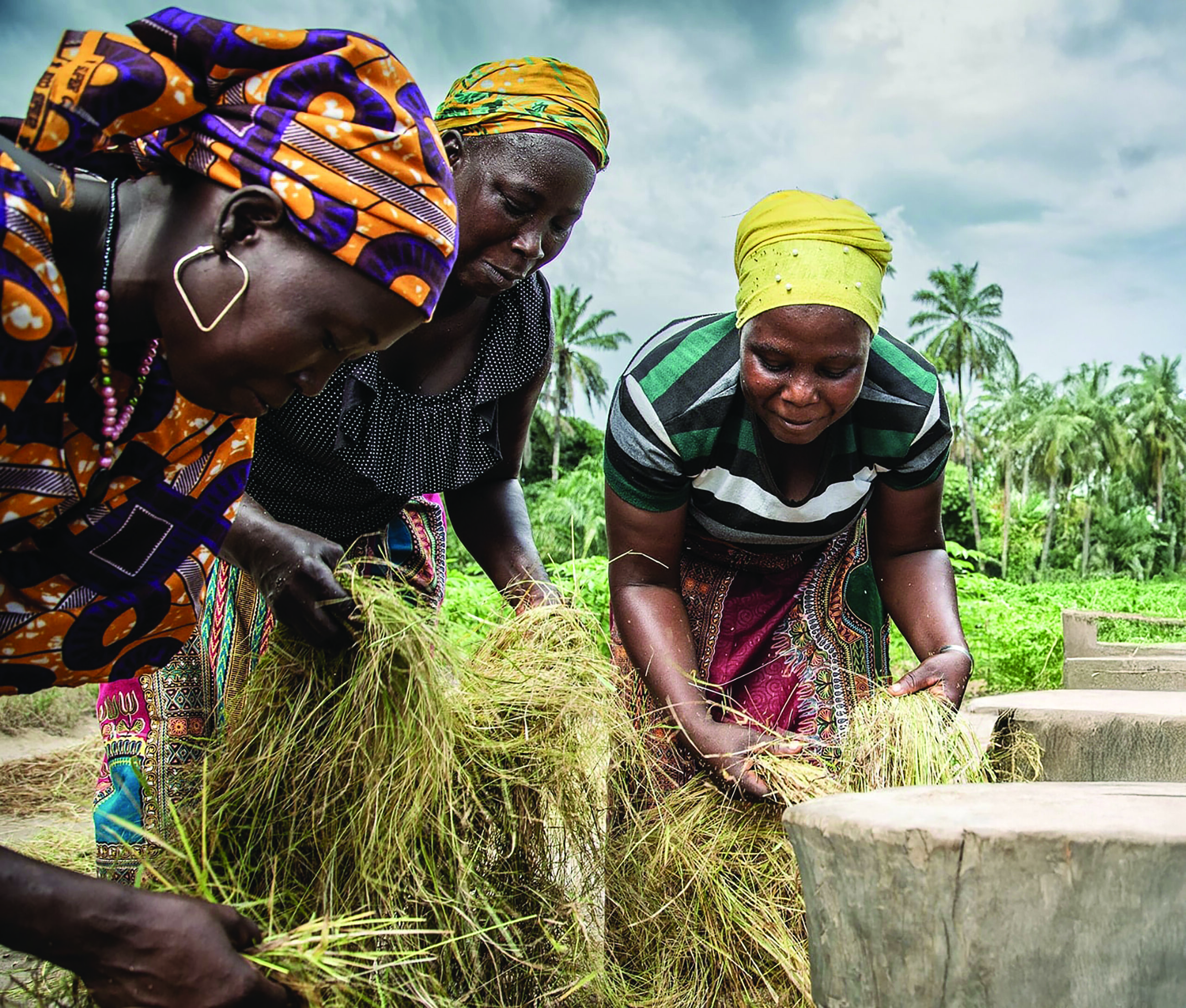
The continent’s deep reliance on global supply chains is exposing its agricultural sector to mounting costs, impacting some far harder than others.
While the ongoing Middle East conflict will likely be remembered for ravaging oil and energy markets, it should also be noted for rattling the world’s agriculture sector–and the effects may only truly be felt months down the line.
Over one-third of global fertilizer flows through the Strait of Hormuz, a critical point now suffocated under Iranian control. What is, ordinarily, one of the world’s shipping meccas, is now trickling at half-mast, causing intense supply shocks felt from Australia to Angola.
Looking at the globe, most, if not all, nations have been affected by the Strait’s closure in one way or another. Africa, a region that imports over 90% of its fertilizer, has been particularly caught out.
“Strategic reserves for fertilizer are virtually non-existent in African economies, leaving both governments and farmers highly exposed to the current shock,” Phumlani Majozi, Executive Director at the African Markets Institute, tells FORBES AFRICA.
When it comes to fertilizers–such as potash and phosphates–urea, with its nitrogen element being a vital nutrient for plants to develop, is essential for farmers, regardless of their geography.
It’s a must-have. The minimal buffer of urea makes the region especially susceptible to the rising costs we have seen since the war began nearly four weeks ago.
At the time of writing, Urea futures sit at $687.50, a near $270 rise since the day before (February 27) the initial United States and Israel launched coordinated strikes on Iran.
While price hikes have undoubtedly raised anxiety levels, southern Africa’s silver lining is timing.
“The next agricultural season does not start until October 2026,” says Wandile Sihlobo, South Africa’s Presidential Envoy on Agriculture and Land, to FORBES AFRICA.
“If the war continues past July 2026, we will start to worry about the fertilizer supplies and prices. At the moment, this is not a pressing concern,” he adds, his optimism influenced by the abundance of “grain and agricultural supplies in 2026”.
The rest of Africa, where seasons are influenced by its positioning nearer and above the equator, isn’t as fortunate.
In West Africa, the main planting season occurs between April and June, while East Africa’s two rainy seasons mean it can occur twice a year, sometimes as early as March (with the second window typically October-November).
Rerouted shipping routes through South Africa’s Cape of Good Hope have been especially detrimental to the Eastern frontier–a region where agricultural sectors depend on on-time deliveries to European supermarkets, supplying avocados, green beans, cut flowers, and more.
“The losses are instantaneous because of the biological clock of the cargo,” Majozi explains, before sharing that Kenya’s cut flower industry is experiencing a $1.4 million weekly loss this month.
“Because these products cannot survive the three-week detour around the Cape of Good Hope, exporters are forced into what I’d call an ‘air-or-perish’ scenario,” he notes.
“This has created an immediate crisis in some African countries.”
While the impact of supply chain constraints is felt differently across Africa, Sihlobo reminds us that no nation is protected from fuel prices and their impact on food prices.
“A majority of food products in Africa are transported by road, and the increase in fuel prices affects the final price consumers pay,” he indicates, revealing that around 80% of South Africa’s–or “the continent’s most industrialized economy”, as he puts it–grain and various agricultural products are transported by road.
While Africa’s agriculture industry feels the brunt of frail supply chains and price hikes, the deeper cost is likely to unfold over time, as constrained access to fertilizers erodes yield productivity and weighs on long-term agricultural output.
The Daily Brief
Get the daily FORBES.NG briefing.
Comments (0)
Sign in to join the conversation.
Related Stories

Businesses Are Investing in AI but Struggling to Measure Its Returns
Turning AI pilots into measurable business value requires clear objectives, reliable baselines and disciplined oversight.

Why Businesses Need More Than AI Tools to Compete
Technology alone does not guarantee business results; strategy, staff capability, trustworthy data and measurable goals shape the value of AI.

AI Agents Could Transform Digital Payments, but Trust Remains Essential
Automated tools may streamline payment journeys, but security, consumer consent and clear accountability will shape adoption.
More from Freddie Hiney
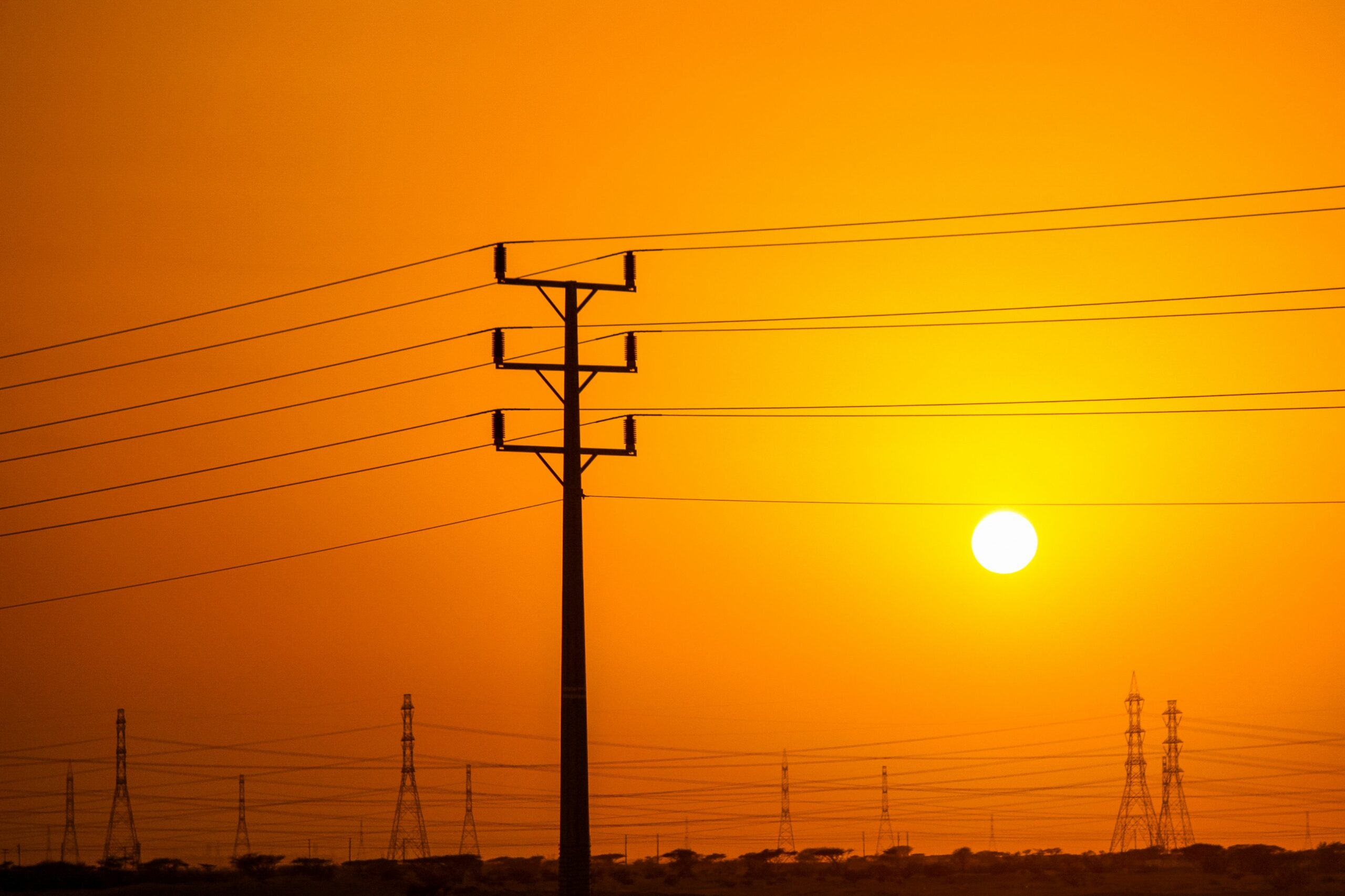
Zambia Prepares For El Niño After Previous Droughts Triggered Blackouts
The drought over two years ago had catastrophic consequences for Zambia’s energy security–a nation largely dependent on hydropower, generating over 80% of its electricity, according to government figures. As rivers dried up, the number of blackouts rose. The arriving El Niño—widely expected to become one of the strongest on record and anticipated to grapple the …

‘Thinking Five Years Ahead’: Ethiopia’s $50 Million Bet To Become Billion-Dollar Regional Gold And Metals Hub
Inaugurated on October 10, Ethiopia’s National Precious Metals Refinery coincides with gold’s rising importance for the nation of nearly 140 million people. According to the National Bank of Ethiopia, gold exports rose from $133.6 million in the fourth quarter (Q4) of 2023/24 to $1.29 billion in Q4 2024/25. Welcomed as Ethiopia’s first gold refinery, and …
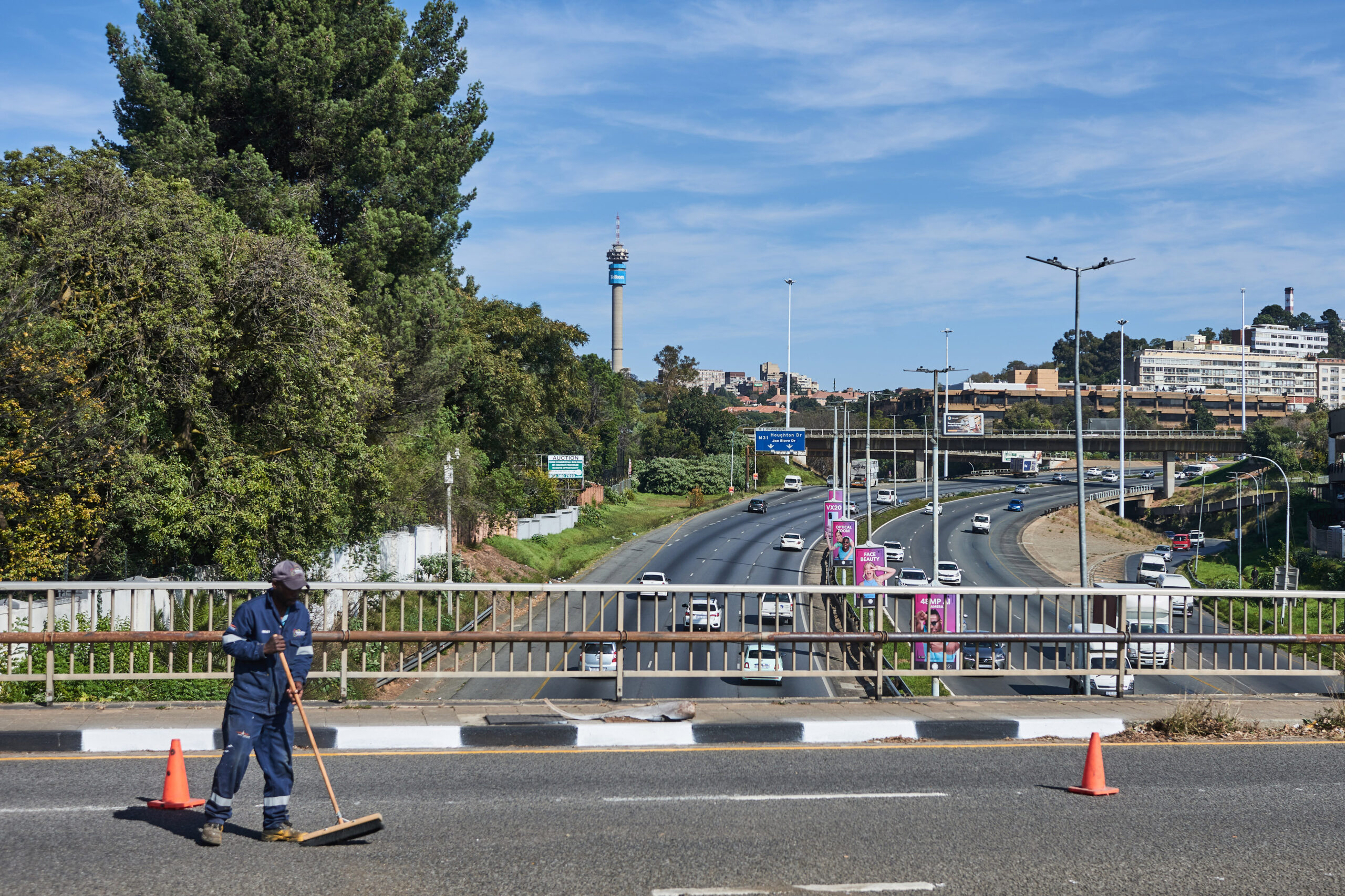
Interest Rate Rises In South Africa, Experts Evaluate Possibility Of Recession
The financial toll of the ongoing global energy crisis is becoming increasingly apparent for Africa’s biggest economy. On Thursday, the South African Reserve Bank (SARB) announced its decision to increase the interest rate by 25 basis points to 7%, a week after year-on-year head inflation hiked to 4%, up from 3.1% in March. Offering some …
Recommended


The Daily Brief