

The CEO Of Nigeria’s Latest Unicorn On How The Future Of Fintech Will Be Defined By AI
Words and Curation: Oluwatomisin AmokeojaAdditional Reporting: Chanel Retief and Nicole PillayArt Director: Manelisi DabataPhotography: Kelechi Amadi-ObiPhotography Assistants: Chukwudi Ademu, Vincent Okoro, Kingsley Ugwukozor, Musa Alabi, Jesutofunmi Amokeoja, Anthony Ibuzo Stylist: Isaac Isiadinso (Kookavelli) Stylist’s Assistant: Timilehin Oshinbanjo Outfits: VREEMD, RAEY, Soft aiv couture and Berluti Makeup & Hair: Oluwatoyin Eko Studio: 12 Temple, Lagos, Nigeria “The future of …


Words and Curation: Oluwatomisin Amokeoja
Additional Reporting: Chanel Retief and Nicole Pillay
Art Director: Manelisi Dabata
Photography: Kelechi Amadi-Obi
Photography Assistants: Chukwudi Ademu, Vincent Okoro, Kingsley Ugwukozor, Musa Alabi, Jesutofunmi Amokeoja, Anthony Ibuzo
Stylist: Isaac Isiadinso (Kookavelli) Stylist’s Assistant: Timilehin Oshinbanjo
Outfits: VREEMD, RAEY, Soft aiv couture and Berluti
Makeup & Hair: Oluwatoyin Eko
Studio: 12 Temple, Lagos, Nigeria
“The future of fintech will be defined by how well we can use AI to turn raw data into real insight…”
The Competition Authority of Kenya (CAK) recently approved Moniepoint’s (formerly TeamApt) proposal to acquire 78% in the country’s Sumac Microfinance Bank. The move, along with its recent expansion of digital banking tools and remittance services for the African diaspora, helped push the Nigerian fintech past the $1 billion valuation mark, making it the country’s latest unicorn.
But for CEO, Tosin Eniolorunda, the milestone is merely a checkpoint.
“At the heart of the financial inclusion conversation is accessibility,” he tells FORBES AFRICA.
“We aim to provide financial products and services that meet the young people where they are. Clearly because we are speaking to a mobile-first generation, we’ll increasingly continue to deliver value in a manner that is seamless, secure and prioritizes great user experience.”
Moniepoint, founded in 2015, began by solving a deeply local problem: the lack of access to reliable financial services for Nigeria’s vast informal sector. In crowded markets and at roadside stalls, where cash is king and formal banking seems out of reach, Moniepoint deployed point-of-sale terminals and, later, mobile apps to bring merchants into the formal economy—one transaction at a time.
Today, it serves 10 million businesses and individuals, processing $17 billion monthly. But its vision has outgrown its origin story.
“We see that a lot of the challenges, which Moniepoint continues to solve for in Nigeria–financial exclusion, fragmented payment systems, and informal sector inefficiencies–are prevalent across other emerging markets,” Eniolorunda says.
“We want to build a financial ecosystem online and offline that helps Africa’s youth achieve their goals, dreams and aspirations as individuals, small businesses and entrepreneurs.”
It’s a message that resonates on a continent where financial exclusion remains stubbornly high and where more than 400 million of over 1.5 billion people remain unbanked, according to AfricaNenda Foundation–a pre-project planning and support provider for inclusive payments.
With the launch of MonieWorld, a digital platform for Africans in the diaspora, Moniepoint is betting big on cross-border connection. The platform allows users to remit money, access foreign exchange, and manage banking needs from wherever they are—bridging continents and communities with just a few clicks.
“Our expansion is never random; it’s deliberate and phased,” Eniolorunda explains. “We’re building an all-in-one financial platform that delivers payments, banking, credit, and business tools, especially for communities that have long been underserved.”
That seamlessness, he insists, must be underpinned by technology that understands both the nuance and urgency of local realities. In that regard, AI plays a starring role.
“The real potential of AI lies in its ability to make sense of massive amounts of unstructured data, like customer feedback and transaction patterns,” Eniolorunda says.
“We’re using it to solve real problems like automated credit underwriting, making it easier and faster for small businesses to access the capital they need.”
He envisions an even more intelligent future, stating: “Credit products tailored to a farmer in Kano might look very different from those designed for a merchant in Nairobi, and AI makes that possible.”
“The future of fintech will be defined by how well we can use AI to turn raw data into real insight, and deliver tools that help every individual and business not just access financial services, but thrive because of them.”
The Daily Brief
Get the daily FORBES.NG briefing.
Comments (0)
Sign in to join the conversation.
Related Stories

Businesses Are Investing in AI but Struggling to Measure Its Returns
Turning AI pilots into measurable business value requires clear objectives, reliable baselines and disciplined oversight.

Why Businesses Need More Than AI Tools to Compete
Technology alone does not guarantee business results; strategy, staff capability, trustworthy data and measurable goals shape the value of AI.

AI Agents Could Transform Digital Payments, but Trust Remains Essential
Automated tools may streamline payment journeys, but security, consumer consent and clear accountability will shape adoption.
More from FORBES.NG

CEOs Say Layoffs Are AI’s Fault—But Some Experts Think Companies Are Lying
Topline Businesses implementing artificial intelligence was blamed for more layoffs than any other reason for the second month in a row in April, new data shows but some experts have said they think technology companies, which use the excuse more than any other sector, are using AI as a smokescreen to hide larger internal struggles. …

Hantavirus Cruise Passengers Will Disembark Sunday (Latest Updates)
Topline Passengers on the hantavirus-stricken MV Hondius cruise ship will soon be evacuated in an operation that will be directly observed by the World Health Organization’s director-general, who said Saturday travelers will be taken to their respective countries as various governments differ on how they will receive and monitor their citizens. This story was first published on …
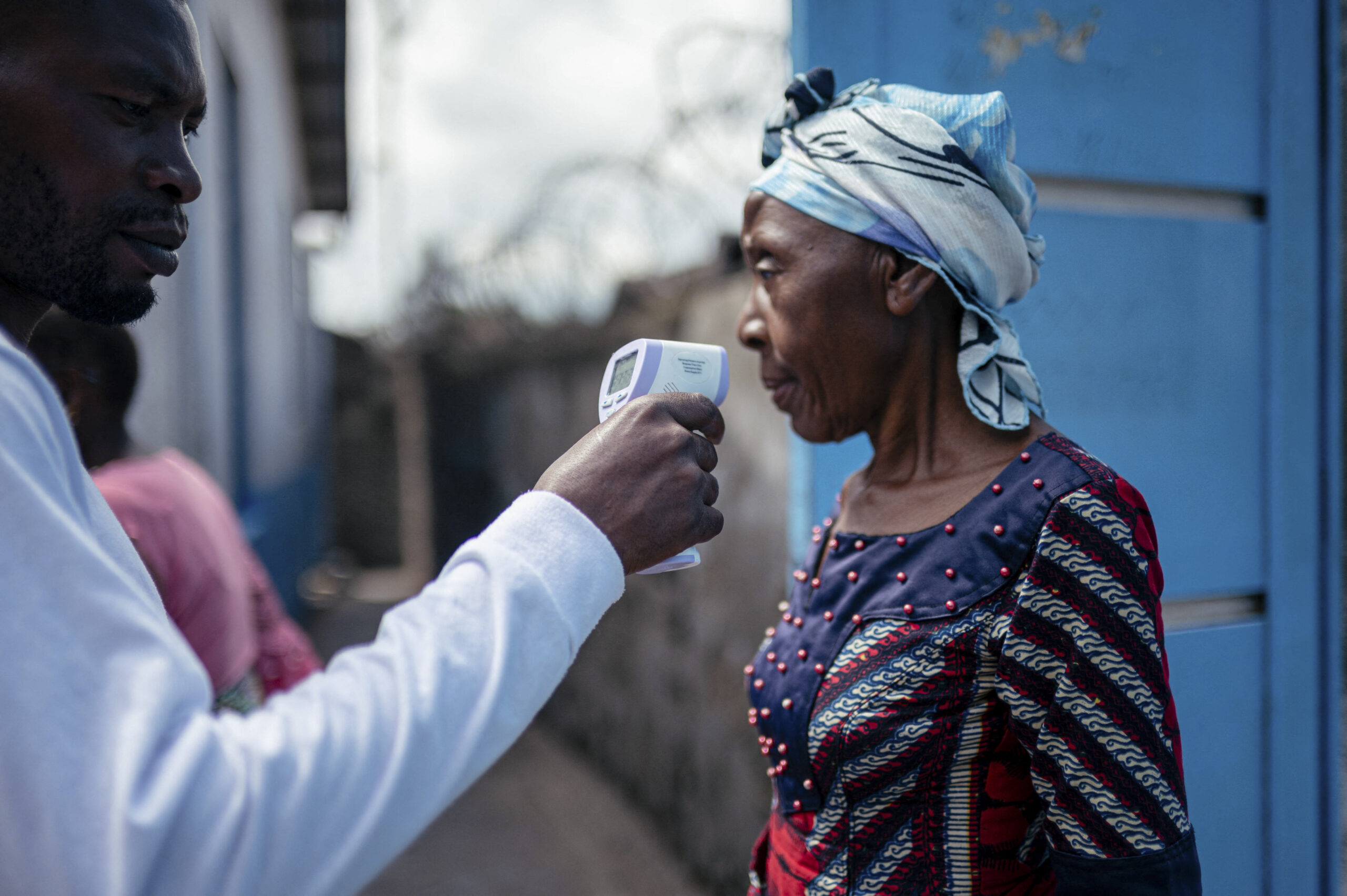
WHO Declares Ebola Outbreak In Africa ‘Extraordinary’ Public Health Emergency
Topline The World Health Organization declared the Ebola outbreak in the Democratic Republic of the Congo and Uganda a public health emergency of international concern late on Saturday night, after public health authorities identified 246 suspected cases and 80 suspected deaths from the disease in the Congo caused by a virus with no approved specific …
Recommended


The Daily Brief