

Nigerian Digital Assets Platform On Also ‘Bringing Crypto And AI For More Responsive Finance’
Words and Curation: Oluwatomisin AmokeojaAdditional Reporting: Chanel Retief and Nicole PillayArt Director: Manelisi DabataPhotography: Kelechi Amadi-ObiPhotography Assistants: Chukwudi Ademu, Vincent Okoro, Kingsley Ugwukozor, Musa Alabi, Jesutofunmi Amokeoja, Anthony Ibuzo Stylist: Isaac Isiadinso (Kookavelli) Stylist’s Assistant: Timilehin Oshinbanjo Outfits: VREEMD, RAEY, Soft aiv couture and Berluti Makeup & Hair: Oluwatoyin Eko Studio: 12 Temple, Lagos, Nigeria “Crypto is futuristic, [&hel

Words and Curation: Oluwatomisin Amokeoja
Additional Reporting: Chanel Retief and Nicole Pillay
Art Director: Manelisi Dabata
Photography: Kelechi Amadi-Obi
Photography Assistants: Chukwudi Ademu, Vincent Okoro, Kingsley Ugwukozor, Musa Alabi, Jesutofunmi Amokeoja, Anthony Ibuzo
Stylist: Isaac Isiadinso (Kookavelli) Stylist’s Assistant: Timilehin Oshinbanjo
Outfits: VREEMD, RAEY, Soft aiv couture and Berluti
Makeup & Hair: Oluwatoyin Eko
Studio: 12 Temple, Lagos, Nigeria
“Crypto is futuristic, and so is AI. Bringing both together means more efficient, more responsive finance.”
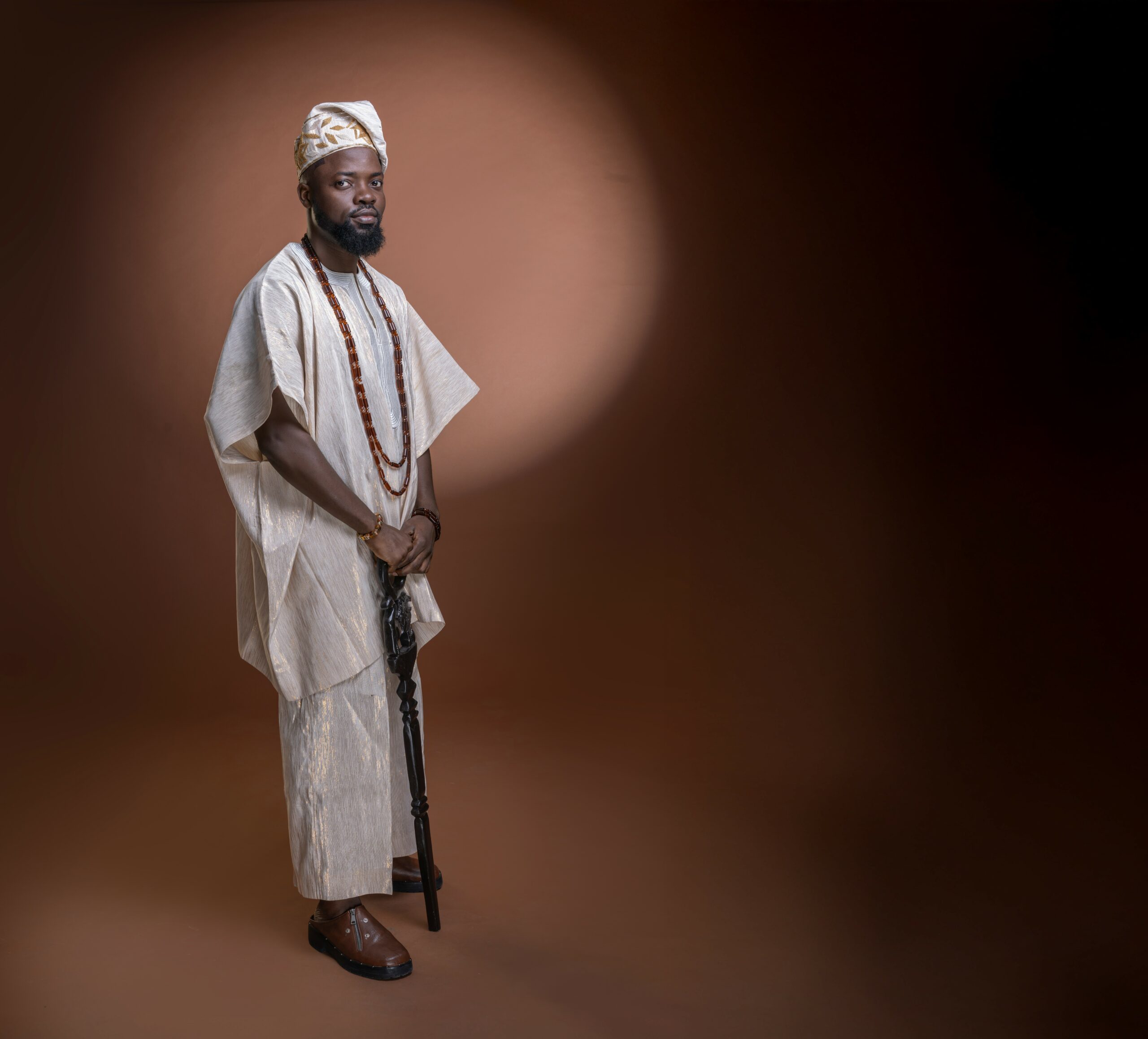
Ayotunde Alabi stands tall and regal in the studio in Ikoyi, looking less like a tech executive and more like a Baale (Yoruba chief) at a coronation. The CEO of Luno Nigeria is vibing to Burna Boy’s latest album, titled, No Sign of Weakness, as it plays through the studio speakers.
As one of the tracks fades, Alabi turns to the sound tech and says with a grin, “Run that one back”. Ever the music head, he knows all the artists featured in the playlist by name. He exudes calm, and is grounded and optimistic.
“There’s still so much opportunity here,” Alabi says. “This country is teeming with young people hungry for solutions; hungry to build. And that’s why fintech will continue to rise… not just fintech—agriculture, healthtech–it’s all open.”
Luno Nigeria, led by Alabi since 2024, became the first digital assets platform to establish local operations in the country, positioning itself, in 2017, as a bridge between the West African nation and the global crypto marketplace.
It’s a key player in Africa’s growing digital asset landscape, and is known for collaborating with fintech startups and banks to build infrastructure and ease transactions.
“We are more than just an exchange,” Alabi says. “We are a financial ecosystem.”
Luno allows users to buy and sell crypto assets. But its true innovation, Alabi explains, lies in its off-ramp capabilities—partnerships with fintechs that enable deposits, withdrawals, and seamless user experiences, even in a complex regulatory terrain.
This, he believes, is where the advantage kicks in.
“Nigerians are entrepreneurial by nature. When given the tools, they innovate. And that’s why we’re also bringing in tools like AI,” he says.
“We use it internally already. Our first-level customer interactions are handled by AI models trained, specifically, on the Nigerian market.”
At Luno, artificial intelligence is more than a buzzword; it’s foundational. The company has adopted AI tools to improve customer support and user experience. More recently, it began listing AI-related tokens like Bittensor (TAO), anticipating the convergence between blockchain technology and machine learning.
“AI will change everything—from how people trade to how they manage risk,” Alabi says. “Crypto is futuristic, and so is AI. Bringing both together means more efficient, more responsive finance.”
He also welcomes the growing involvement of regulators. With Nigeria’s new Investment and Securities Act (ISA) of 2024, the Securities and Exchange Commission is rolling out a tighter framework for crypto operators. Some startups have balked; Luno has leaned in.
“We see regulation not as a threat but a structure. It builds trust,” he says. “We’ve been engaging with the SEC. We want to help shape the landscape, not just comply with it.”
Luno’s strategy is simple: Be proactive, stay transparent, and build products that meet both customer needs and government expectations.
The Daily Brief
Get the daily FORBES.NG briefing.
Comments (0)
Sign in to join the conversation.
Related Stories

Businesses Are Investing in AI but Struggling to Measure Its Returns
Turning AI pilots into measurable business value requires clear objectives, reliable baselines and disciplined oversight.

Why Businesses Need More Than AI Tools to Compete
Technology alone does not guarantee business results; strategy, staff capability, trustworthy data and measurable goals shape the value of AI.

AI Agents Could Transform Digital Payments, but Trust Remains Essential
Automated tools may streamline payment journeys, but security, consumer consent and clear accountability will shape adoption.
More from FORBES.NG
CEOs Say Layoffs Are AI’s Fault—But Some Experts Think Companies Are Lying
Topline Businesses implementing artificial intelligence was blamed for more layoffs than any other reason for the second month in a row in April, new data shows but some experts have said they think technology companies, which use the excuse more than any other sector, are using AI as a smokescreen to hide larger internal struggles. …

Hantavirus Cruise Passengers Will Disembark Sunday (Latest Updates)
Topline Passengers on the hantavirus-stricken MV Hondius cruise ship will soon be evacuated in an operation that will be directly observed by the World Health Organization’s director-general, who said Saturday travelers will be taken to their respective countries as various governments differ on how they will receive and monitor their citizens. This story was first published on …
WHO Declares Ebola Outbreak In Africa ‘Extraordinary’ Public Health Emergency
Topline The World Health Organization declared the Ebola outbreak in the Democratic Republic of the Congo and Uganda a public health emergency of international concern late on Saturday night, after public health authorities identified 246 suspected cases and 80 suspected deaths from the disease in the Congo caused by a virus with no approved specific …
Recommended


The Daily Brief