

‘If Africa Does Not Build Its Own AI Future, The AI Divide Will Become The Social Divide’
Africa has always been the source, never the ‘refinery’,” Kate Kallot, a techpreneur based in Kenya and known for her work advancing technology access across the continent, says to FORBES AFRICA. “We grew the cacao, someone else made the chocolate. We mined the cobalt, someone else built the battery. Data is the new raw material and if we are not careful, …


Africa has always been the source, never the ‘refinery’,” Kate Kallot, a techpreneur based in Kenya and known for her work advancing technology access across the continent, says to FORBES AFRICA.
“We grew the cacao, someone else made the chocolate. We mined the cobalt, someone else built the battery. Data is the new raw material and if we are not careful, AI becomes the next iteration of the same story,” she adds. “African data trains the models, the intelligence flows back as a product Africans pay for, built on realities Africans never validated; optimized for contexts that were never ours.”
As the founder and CEO of Amini, an African data infrastructure company building sovereign data and compute systems for Africa and the Global South, Kallot actively advocates for placing the continent at the forefront of technological advancement and AI.
Africa holds approximately 18%-19% of the world’s population but less than 1% of global compute. In addition to this, most general-purpose AI models today are trained on internet data; but millions of people on the continent are still unconnected.
“If Africa does not build its own AI future, the AI divide will become the social divide,” Kallot says. “And we will have missed the single greatest economic opportunity this continent has ever had, while repeating the most painful pattern in our history–brilliant people; abundant resources; value extracted elsewhere.”
Kallot was one of TIME’s 100 Most Influential People in AI in 2023, and One Young World Entrepreneur of the Year in 2024. She is currently Vice Chair of the International Chamber of Commerce’s Global Environmental and Energy Commission and also member of EY’s Global AI Advisory Council.
“We have entered an era where you cannot decouple AI from geopolitics,” she says. “And, if your government’s digital infrastructure runs on platforms owned by a foreign power, that foreign power holds the kill switch on your economy.”
The Daily Brief
Get the daily FORBES.NG briefing.
Comments (0)
Sign in to join the conversation.
Related Stories

Businesses Are Investing in AI but Struggling to Measure Its Returns
Turning AI pilots into measurable business value requires clear objectives, reliable baselines and disciplined oversight.

Why Businesses Need More Than AI Tools to Compete
Technology alone does not guarantee business results; strategy, staff capability, trustworthy data and measurable goals shape the value of AI.

AI Agents Could Transform Digital Payments, but Trust Remains Essential
Automated tools may streamline payment journeys, but security, consumer consent and clear accountability will shape adoption.
More from FORBES.NG

CEOs Say Layoffs Are AI’s Fault—But Some Experts Think Companies Are Lying
Topline Businesses implementing artificial intelligence was blamed for more layoffs than any other reason for the second month in a row in April, new data shows but some experts have said they think technology companies, which use the excuse more than any other sector, are using AI as a smokescreen to hide larger internal struggles. …

Hantavirus Cruise Passengers Will Disembark Sunday (Latest Updates)
Topline Passengers on the hantavirus-stricken MV Hondius cruise ship will soon be evacuated in an operation that will be directly observed by the World Health Organization’s director-general, who said Saturday travelers will be taken to their respective countries as various governments differ on how they will receive and monitor their citizens. This story was first published on …
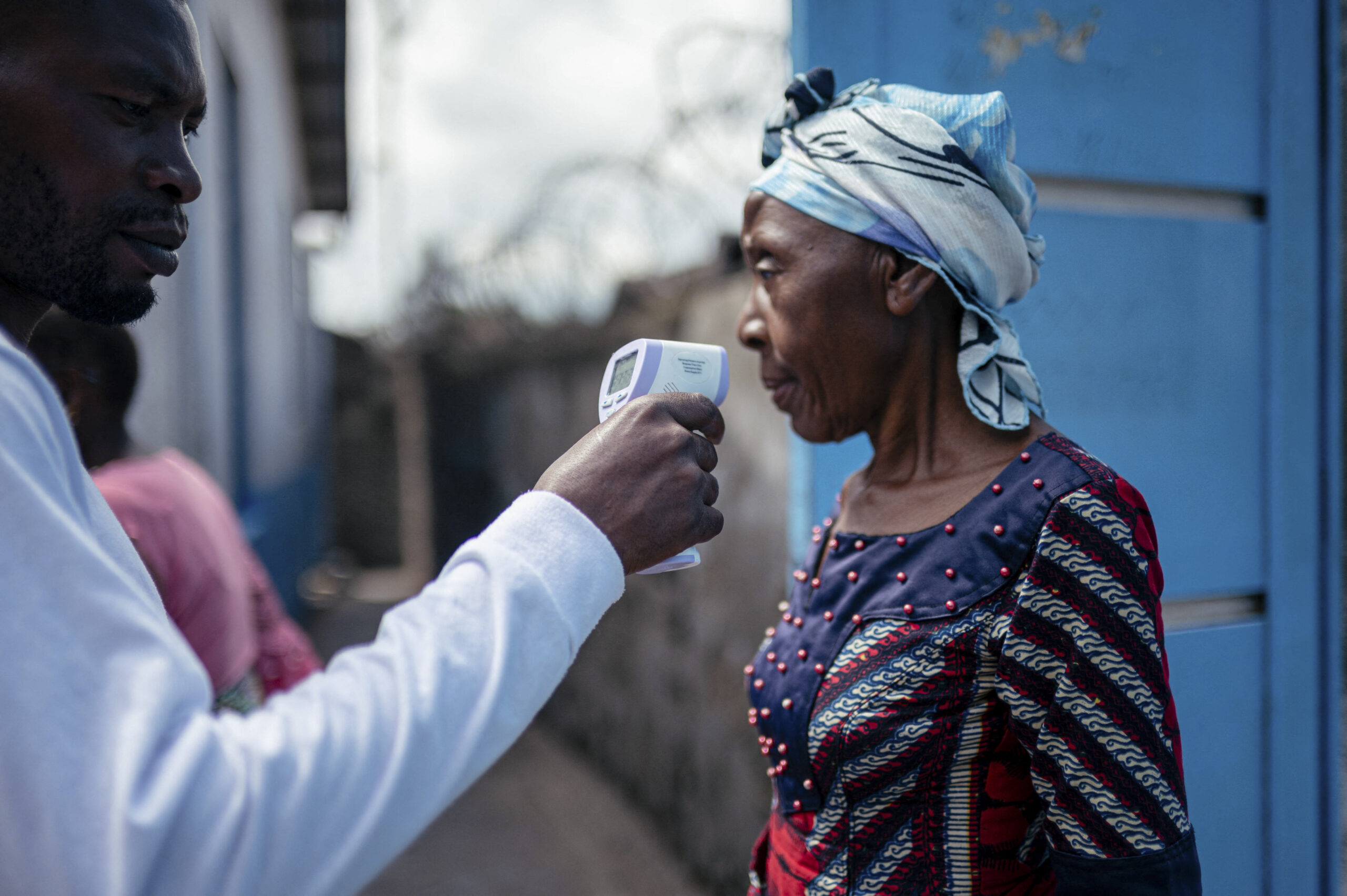
WHO Declares Ebola Outbreak In Africa ‘Extraordinary’ Public Health Emergency
Topline The World Health Organization declared the Ebola outbreak in the Democratic Republic of the Congo and Uganda a public health emergency of international concern late on Saturday night, after public health authorities identified 246 suspected cases and 80 suspected deaths from the disease in the Congo caused by a virus with no approved specific …
Recommended


The Daily Brief